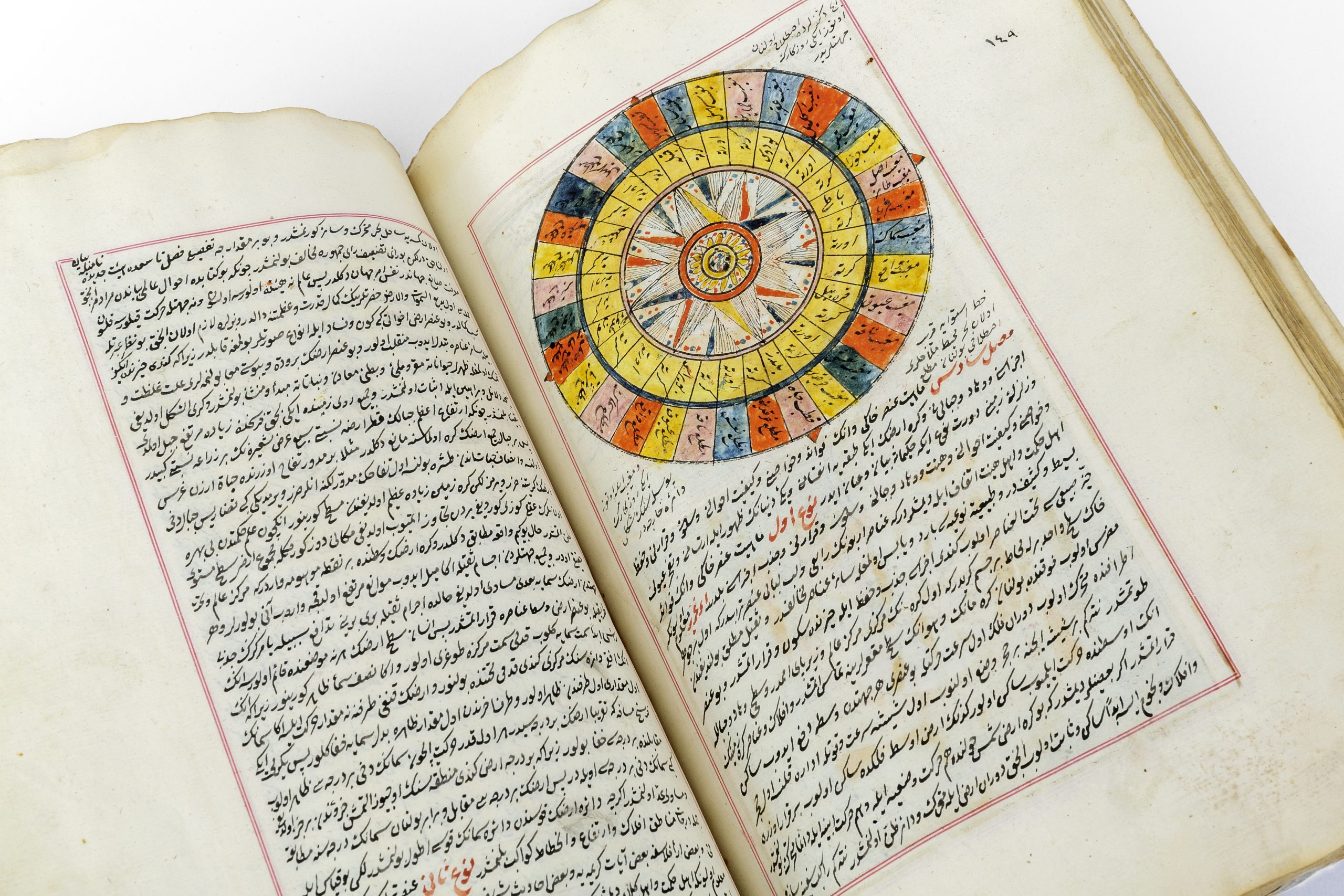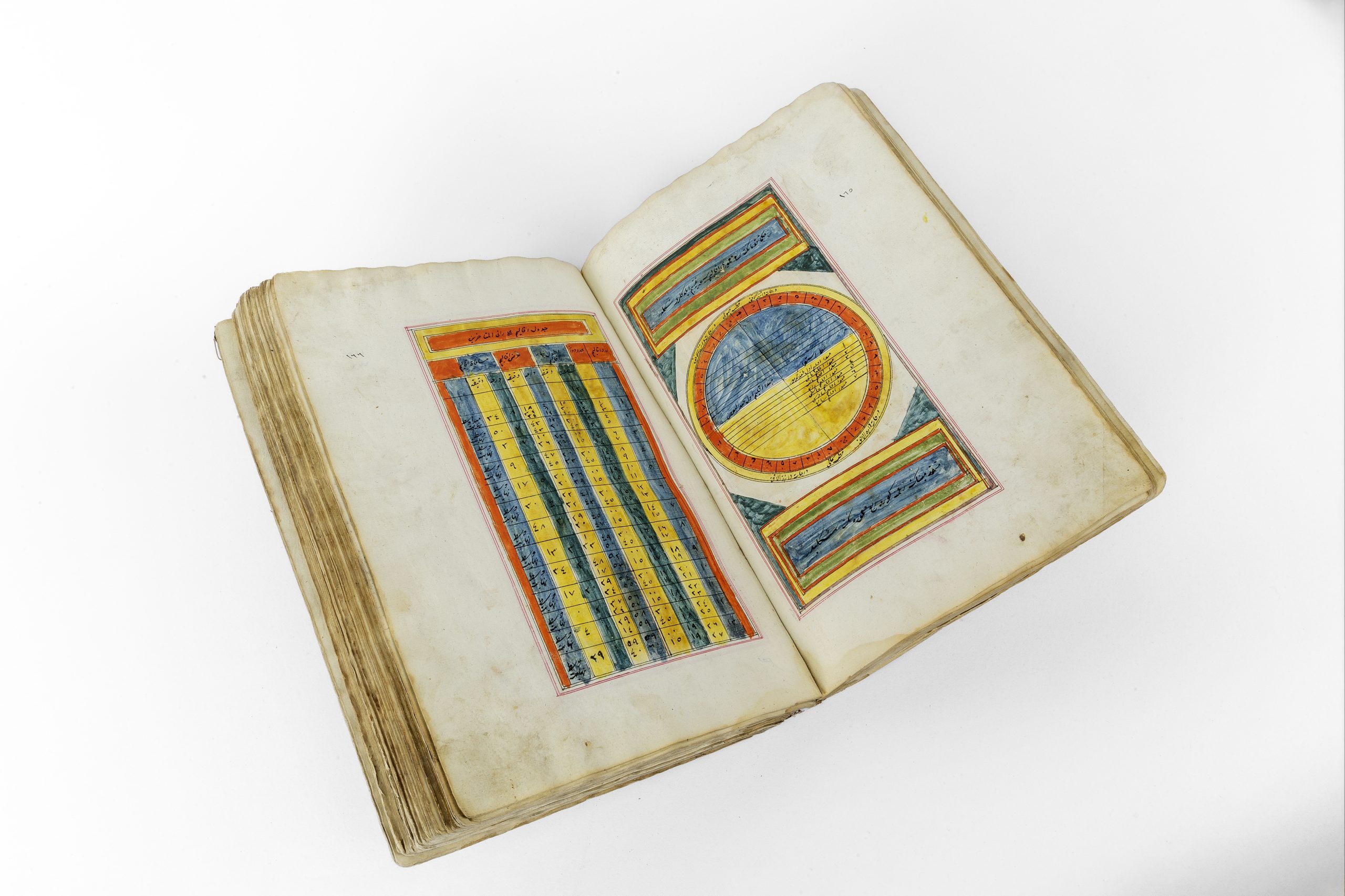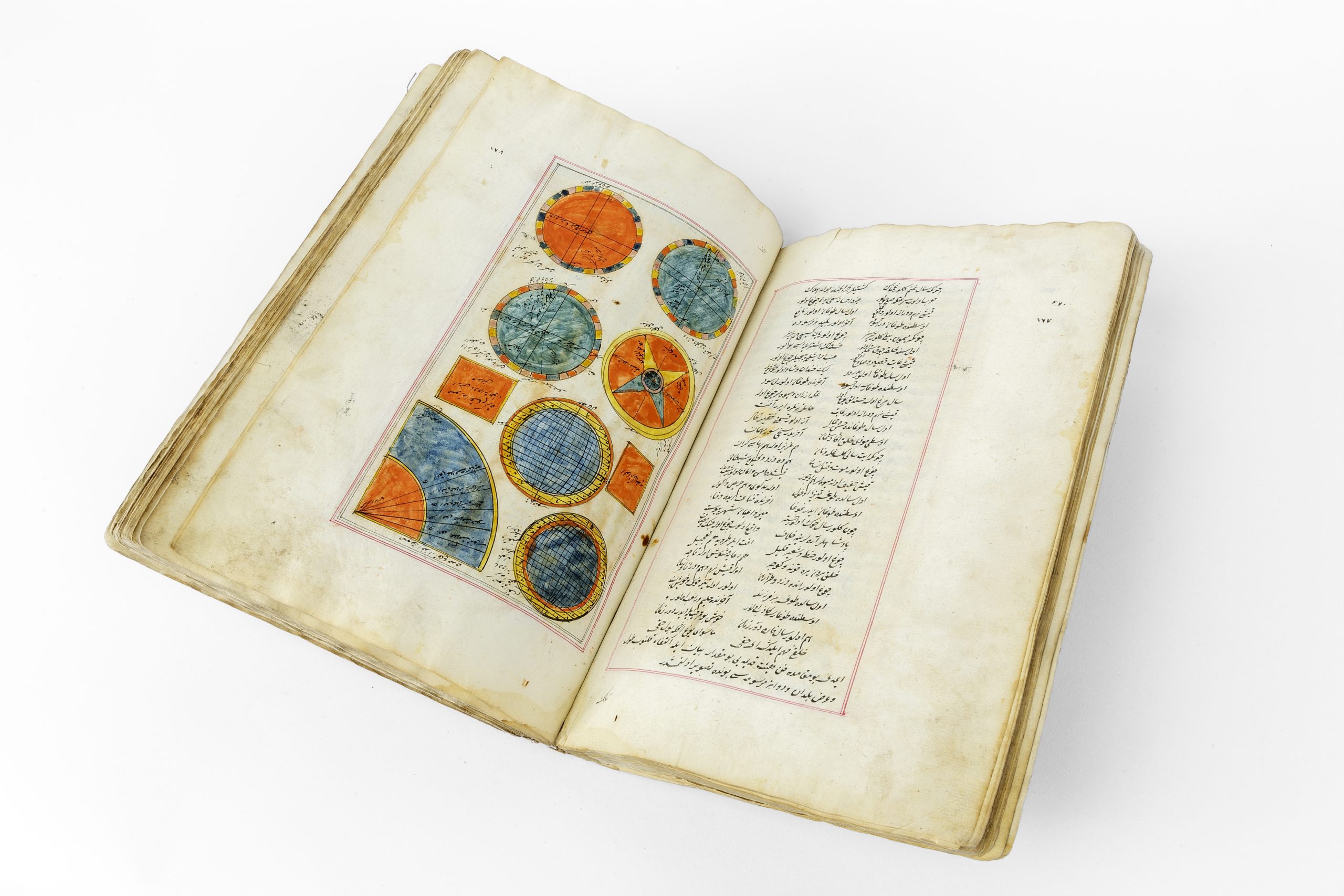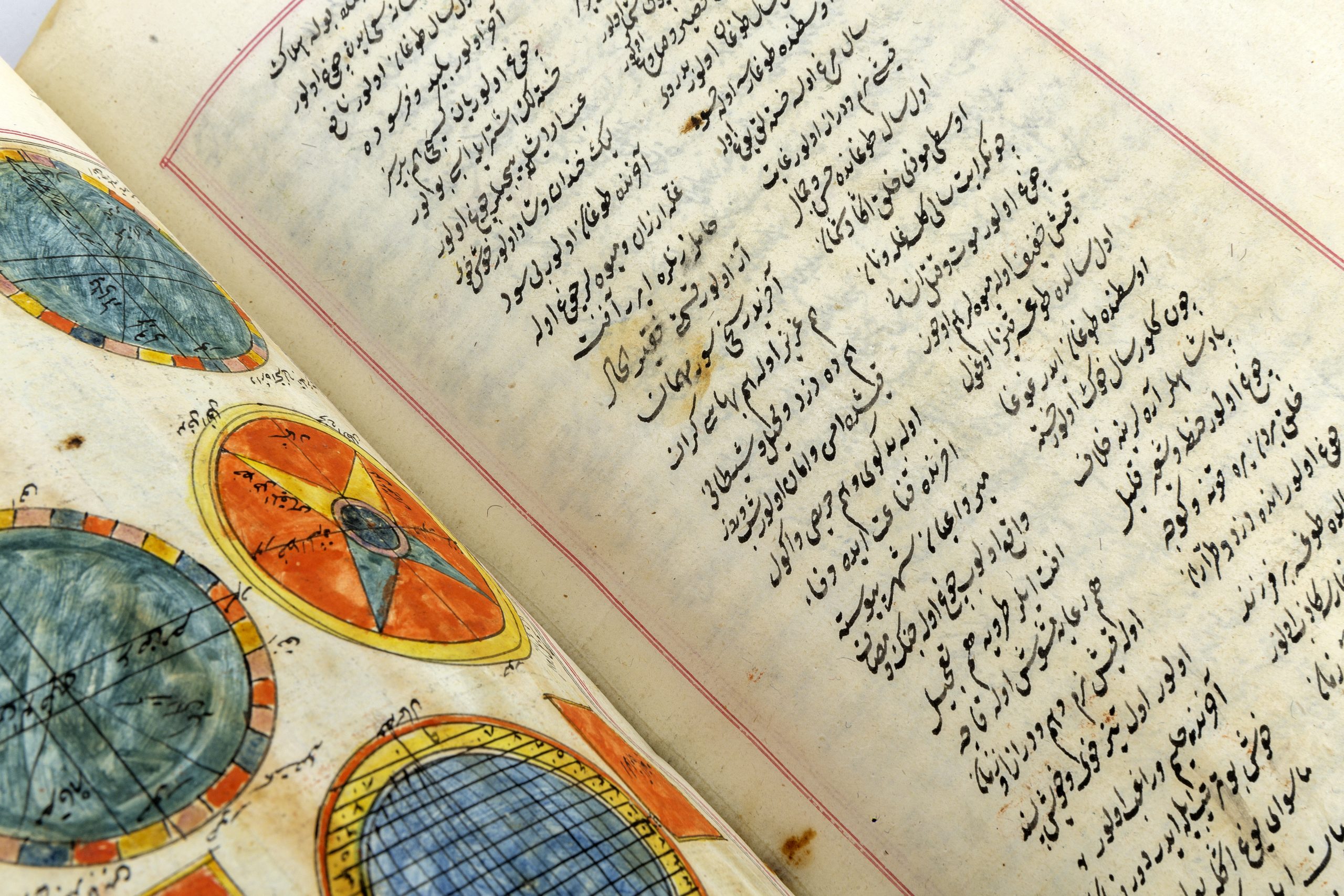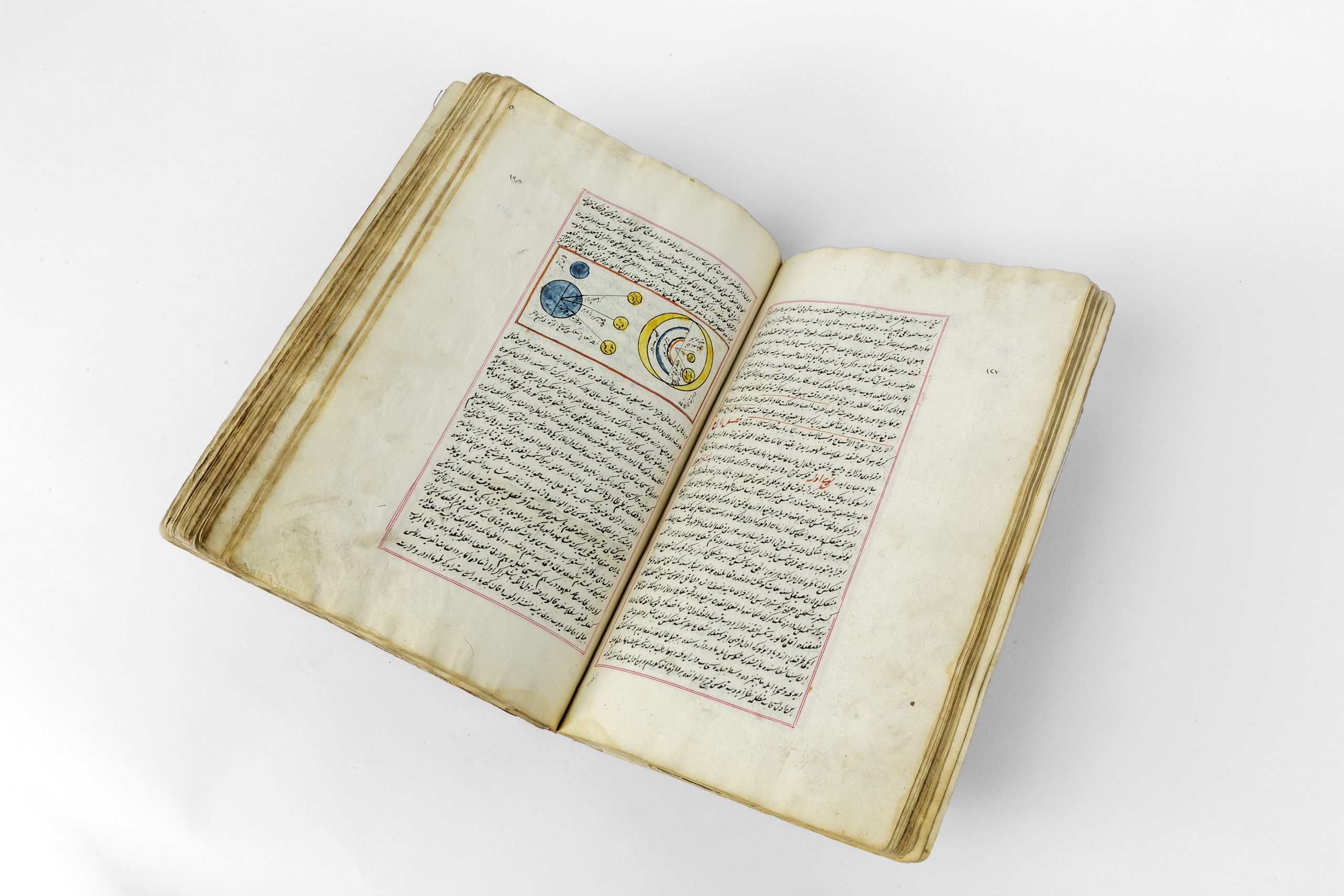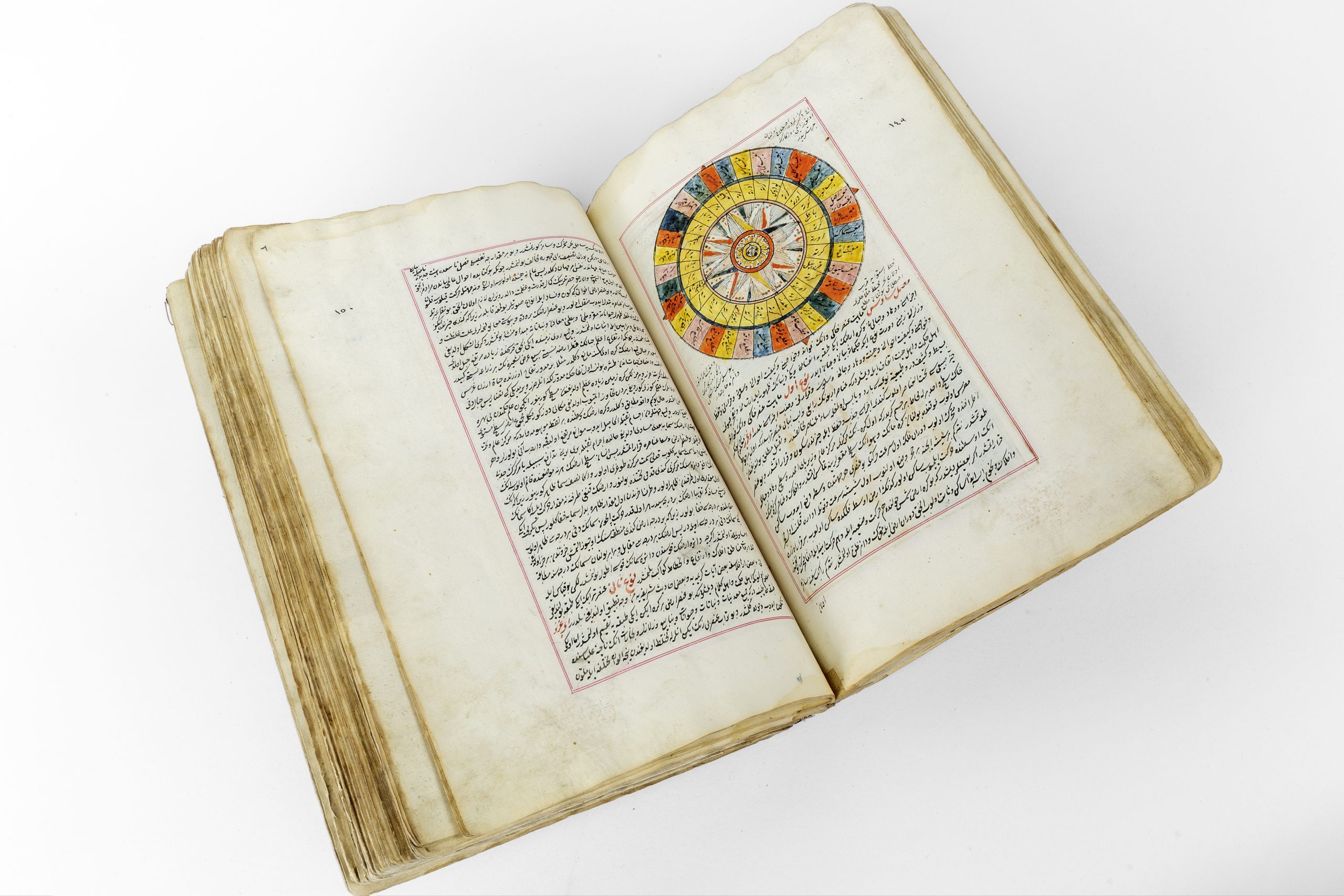
Marifetname
The Book of Gnosis
Istanbul
$27,500
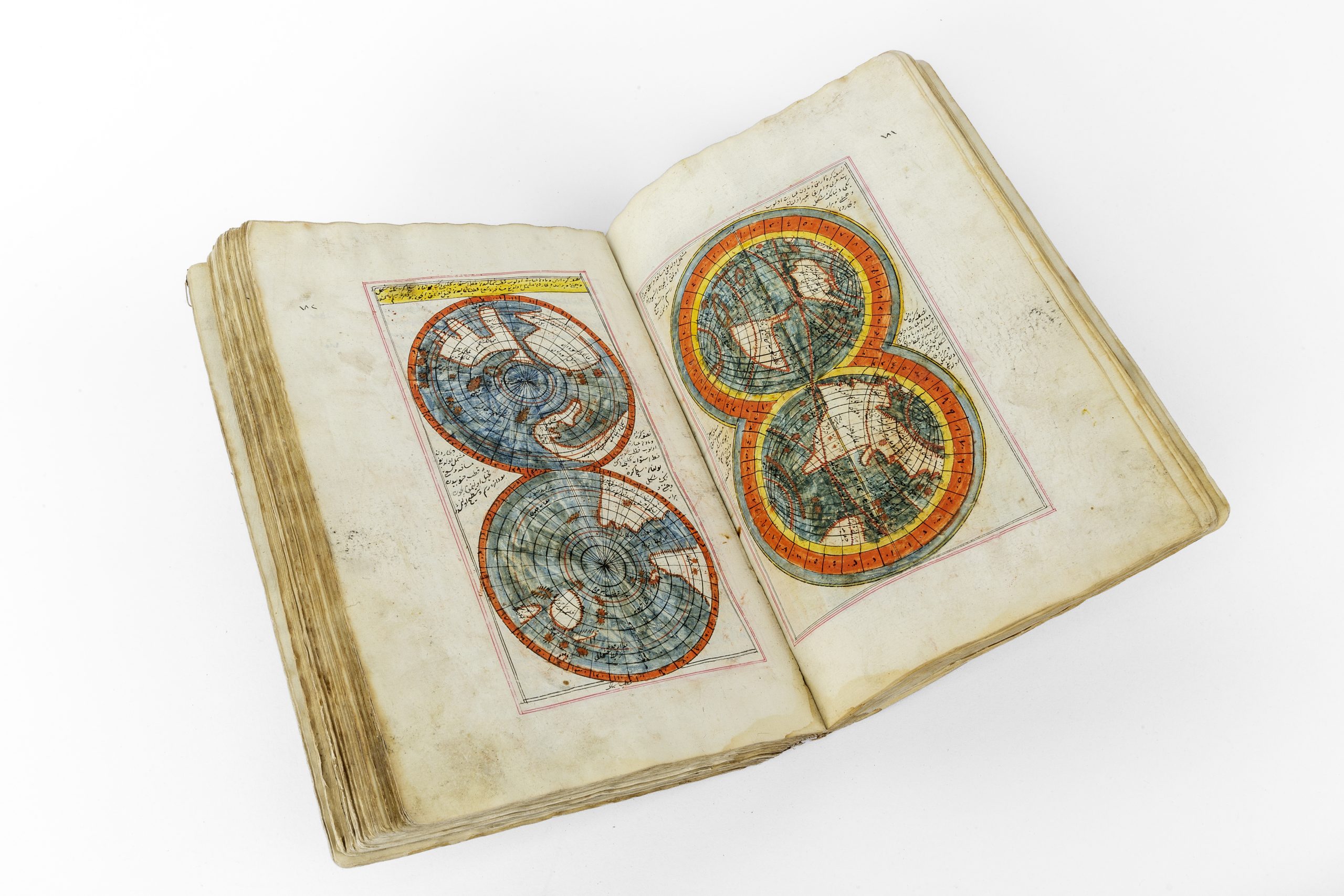

Ibrahim Haqqi of Erzurum
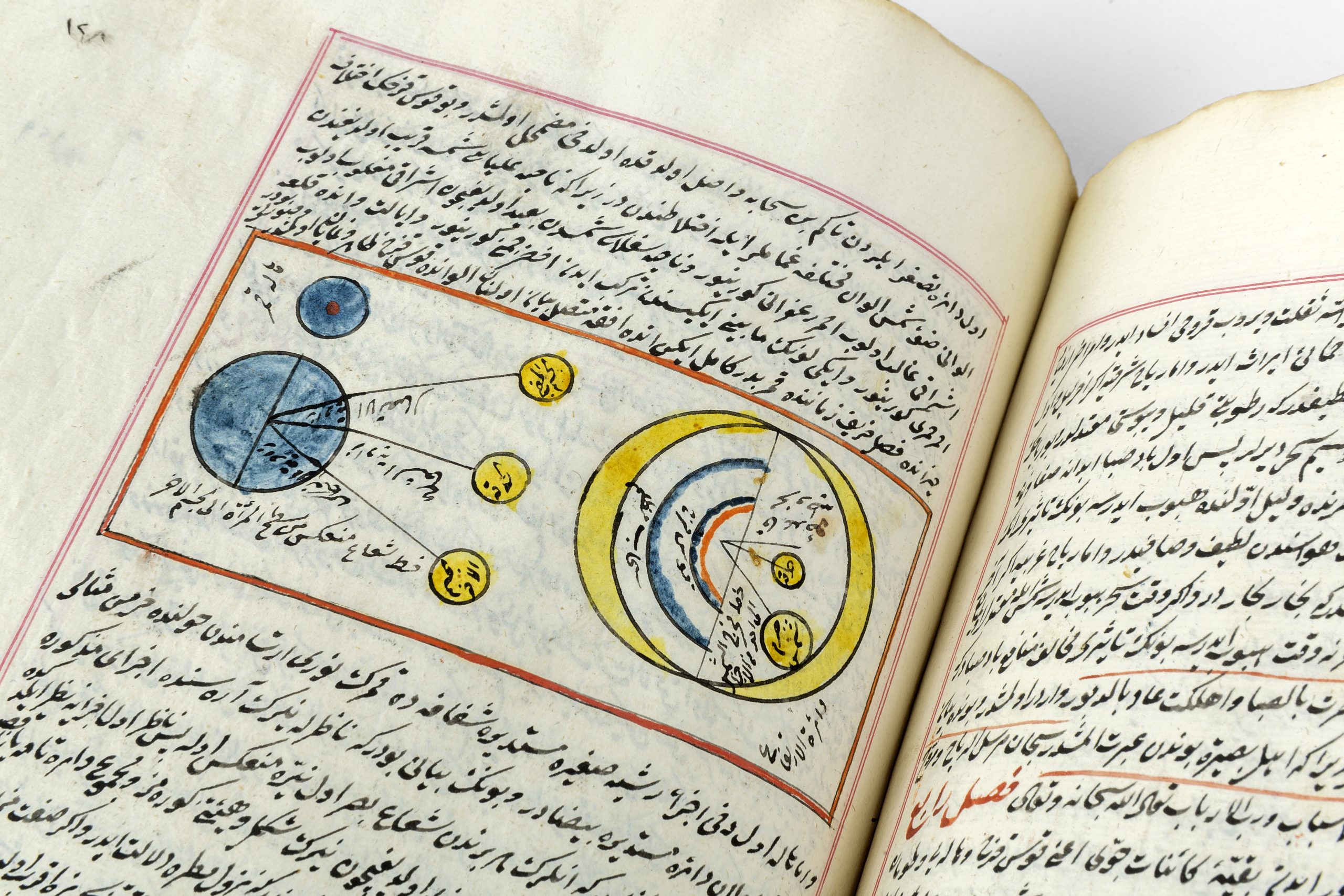
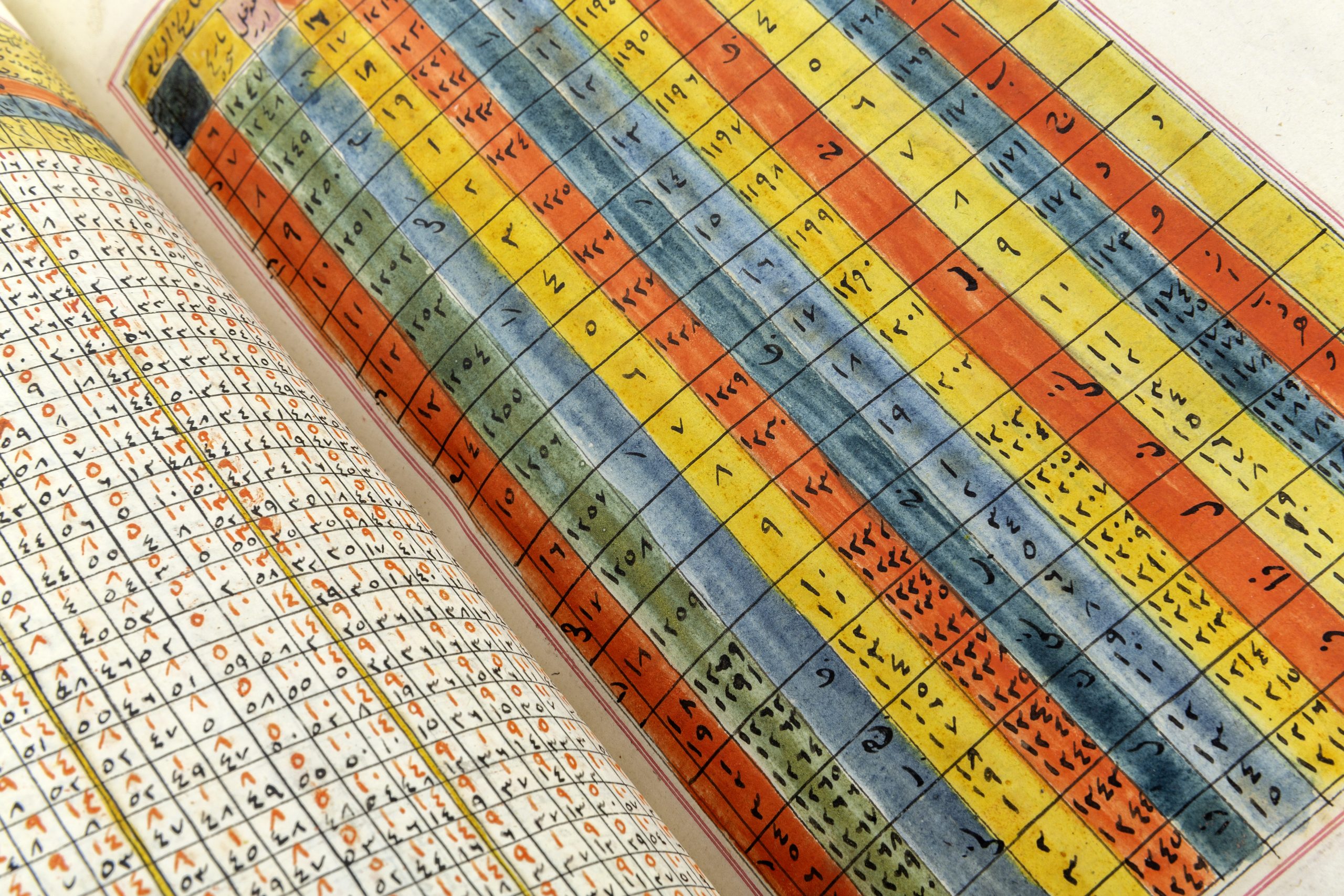
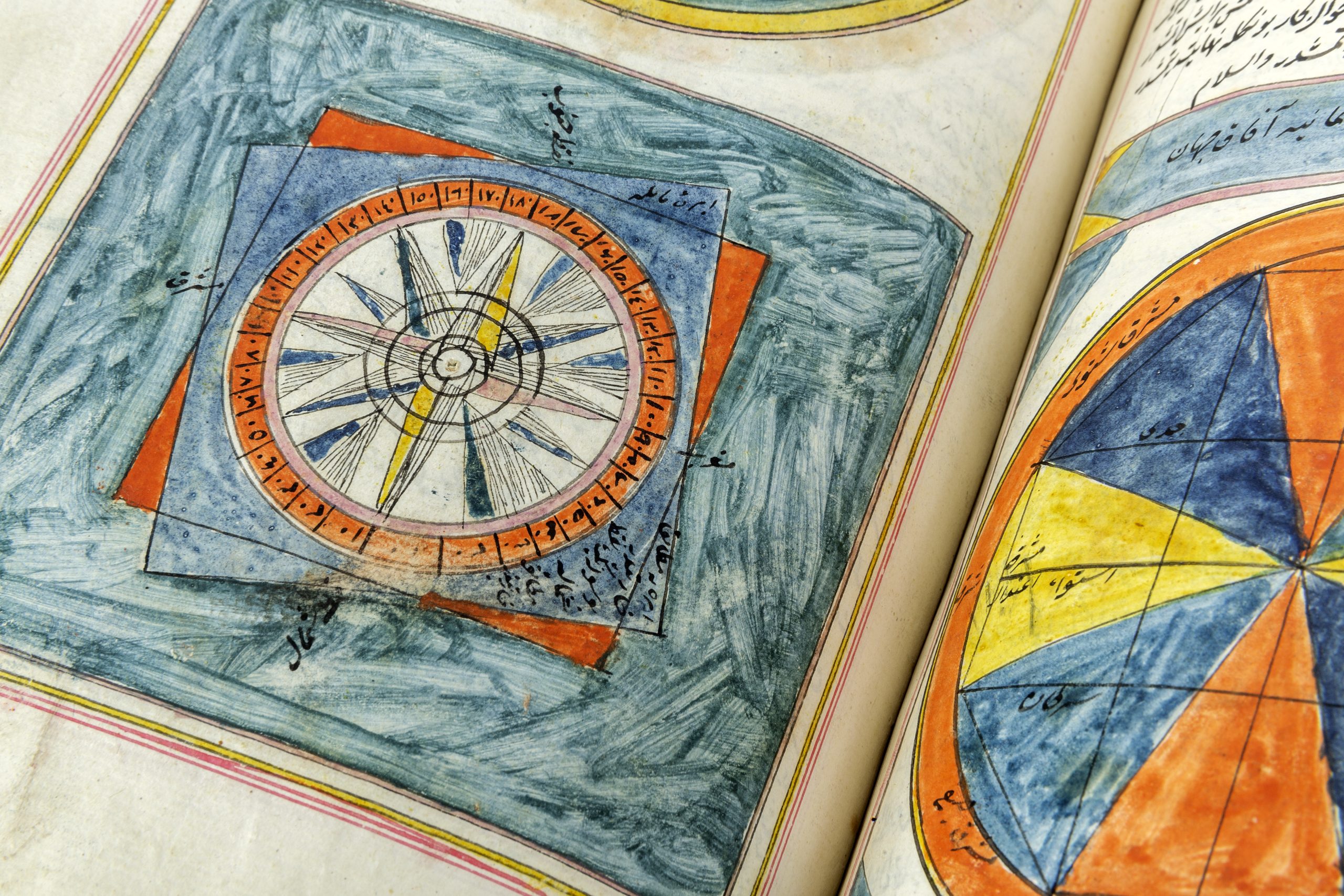
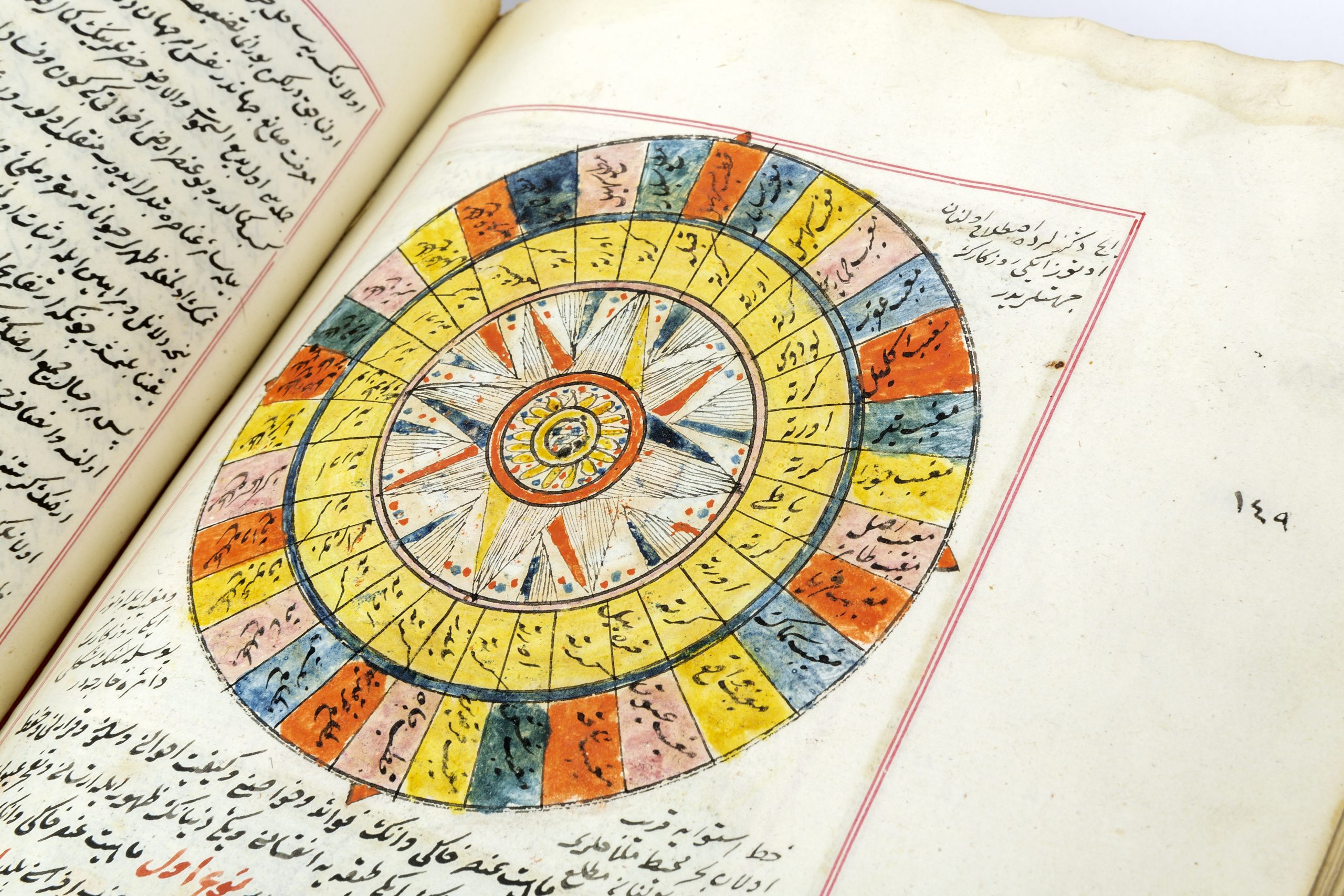
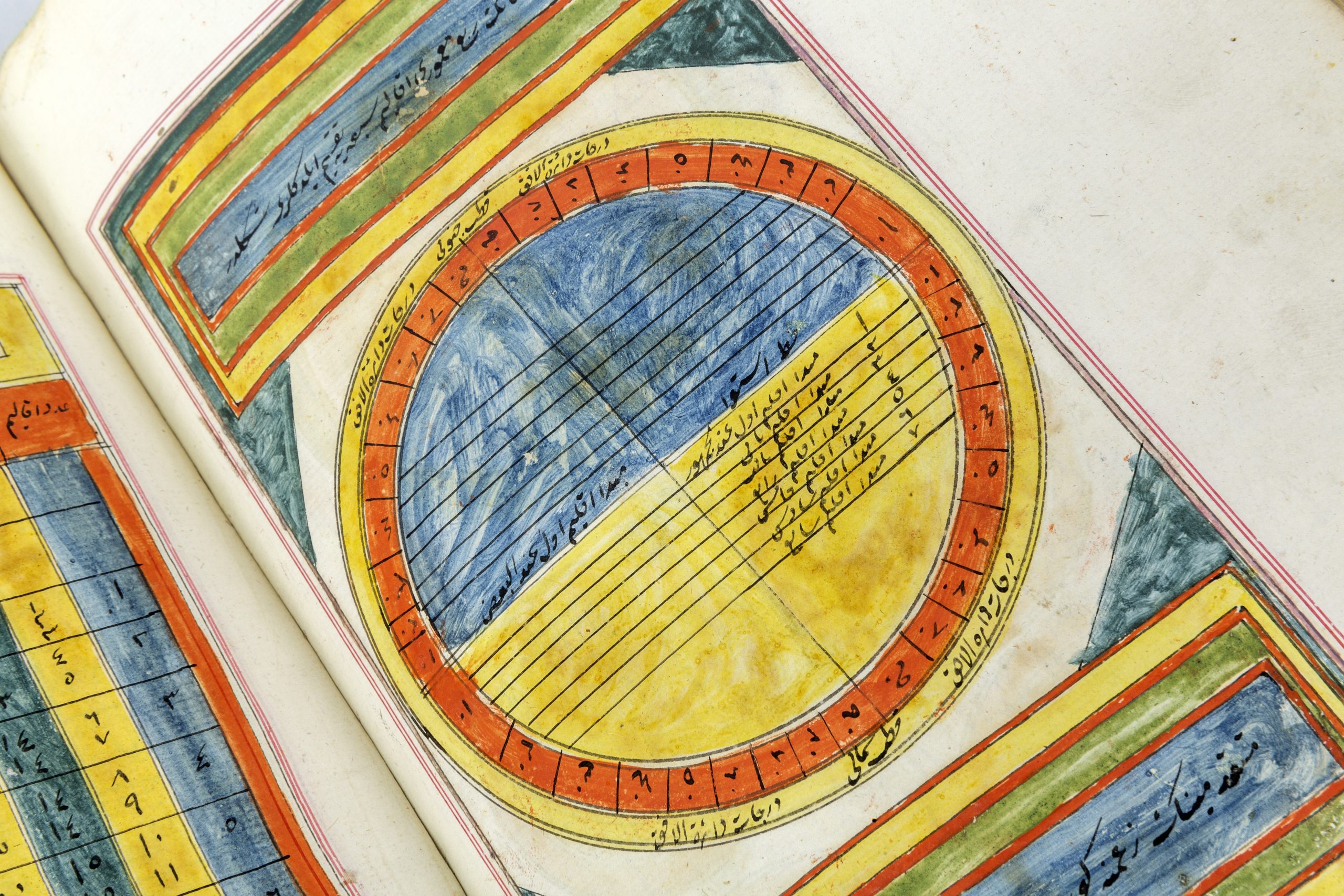
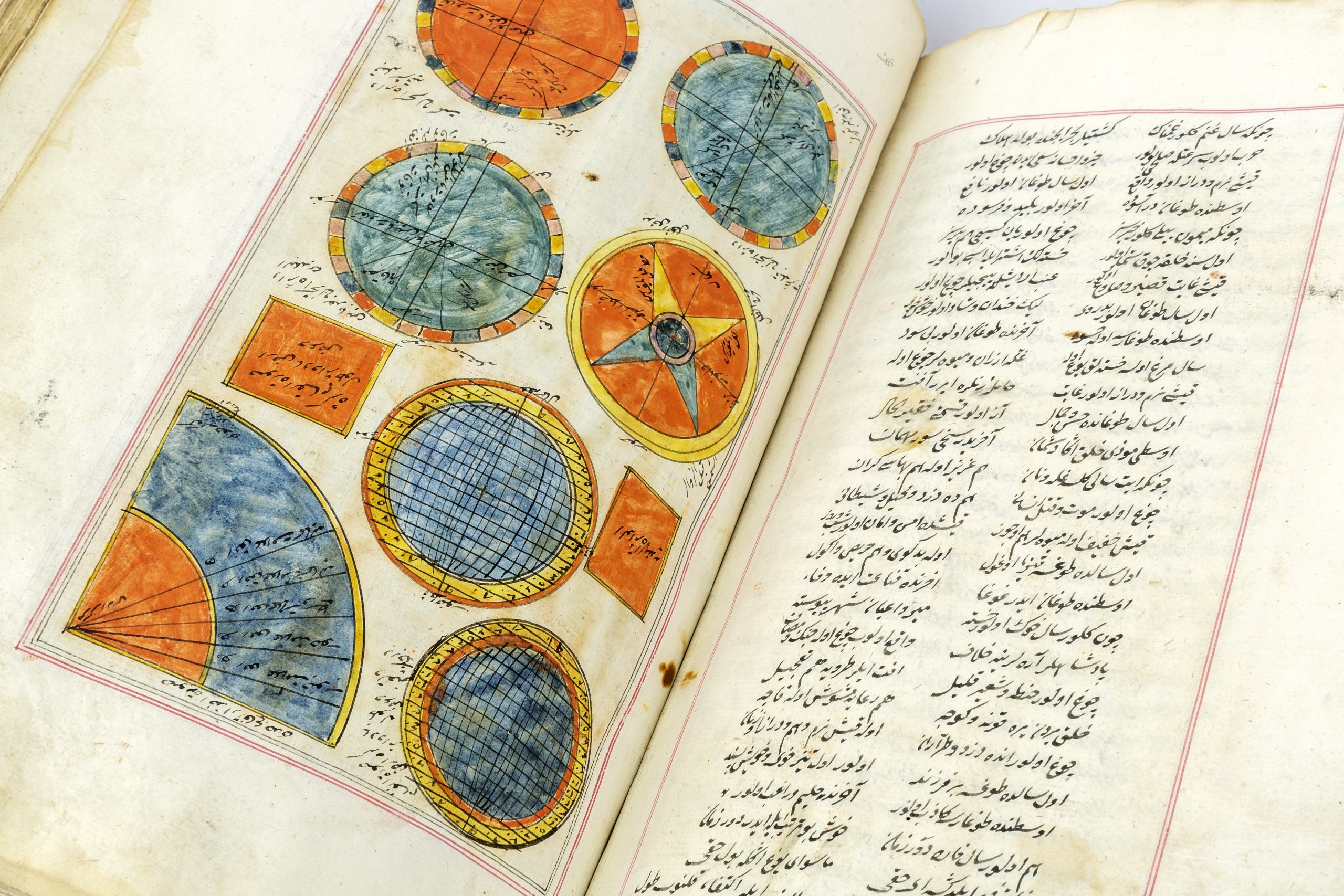
Marifetname – The Book of Gnosis
Ottoman Empire, dated 5 Dhu al-Hijjah 1227 H / 30 December 1812 CE
Copied by Hattat Ahmed ibn Mustafa for Şemsi Hiram Kalfa, court servant to Ayşe Sineperver Sultan, consort of Sultan Abdulhamid I and mother of Sultan Mustafa IV
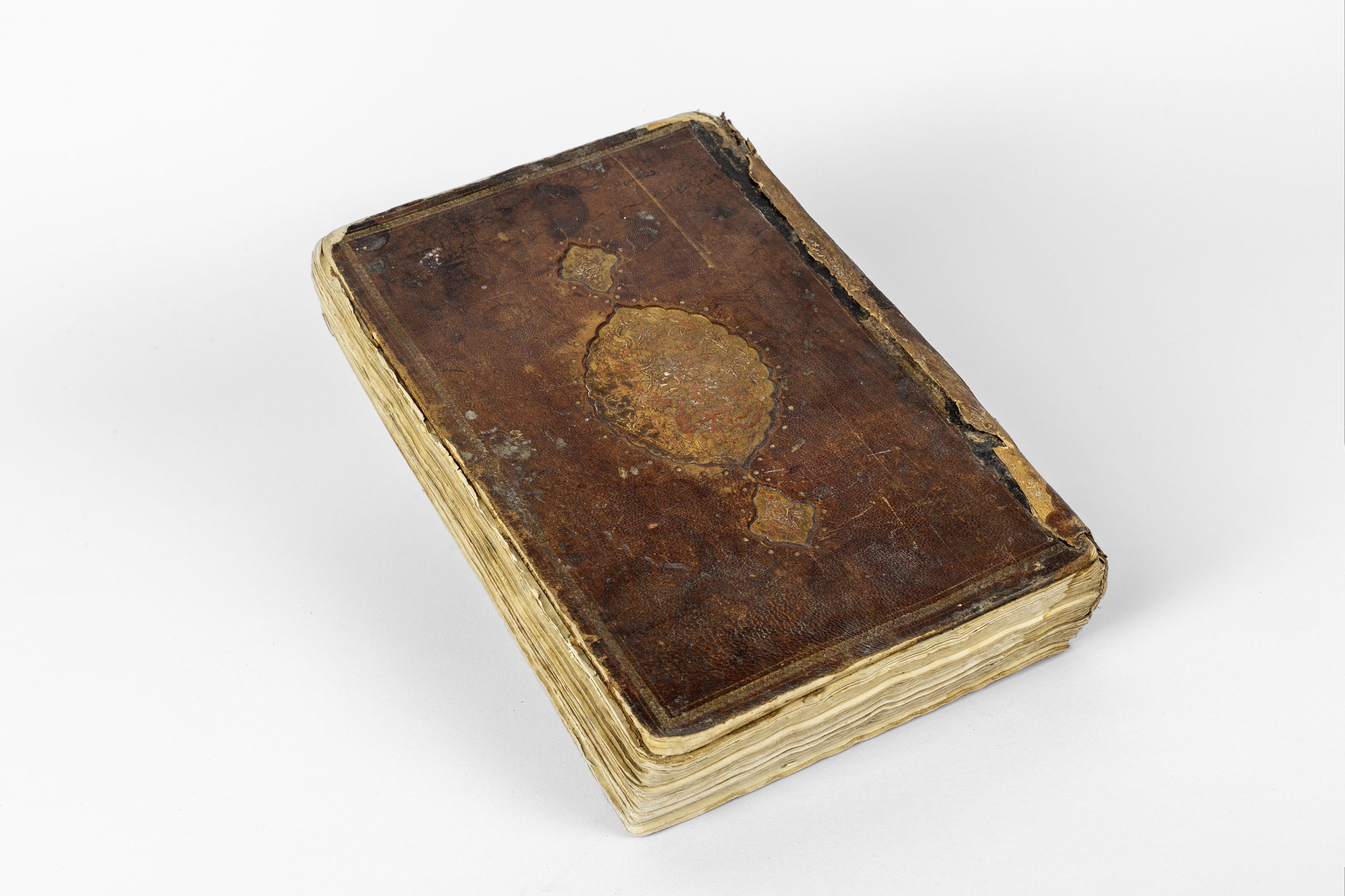
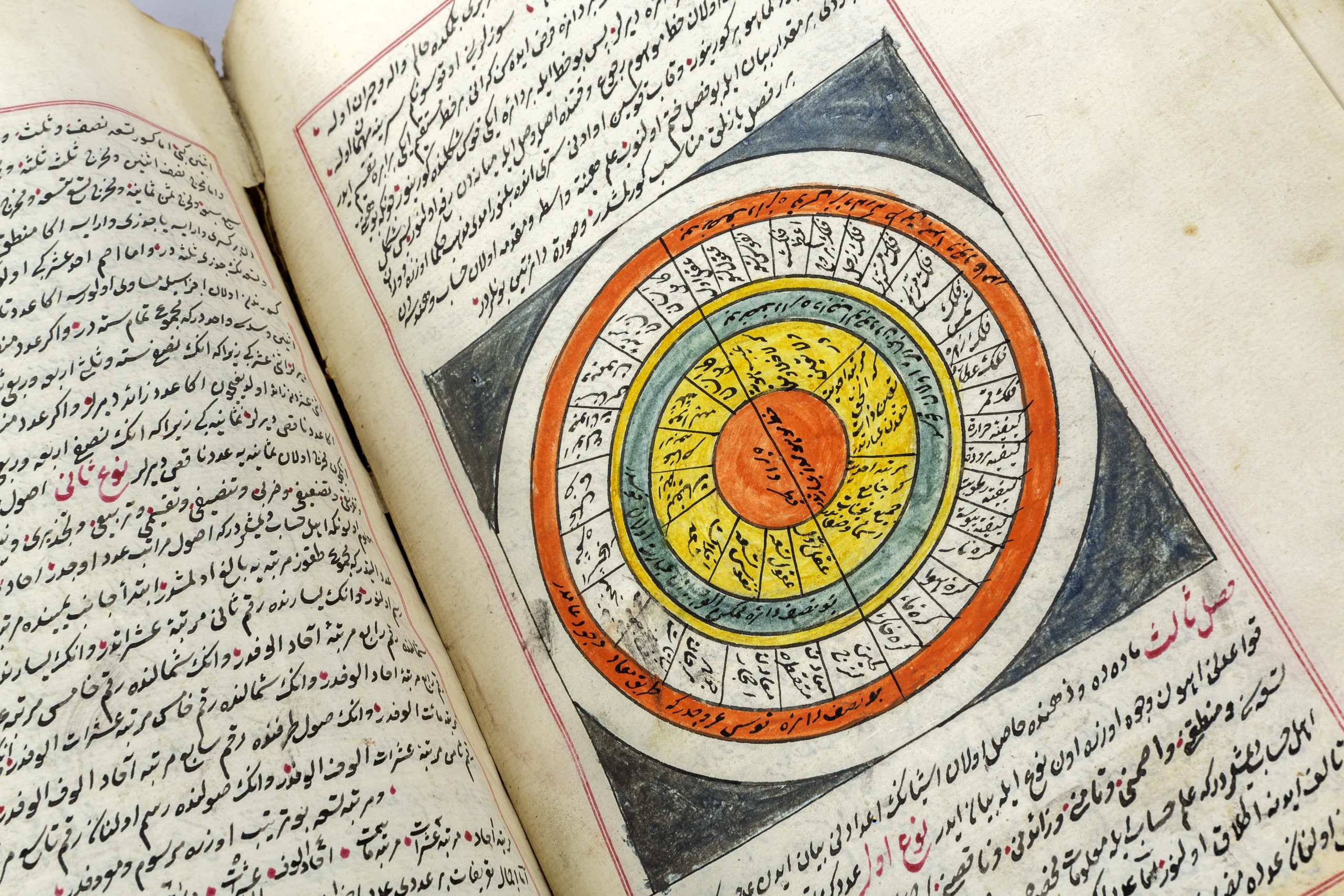
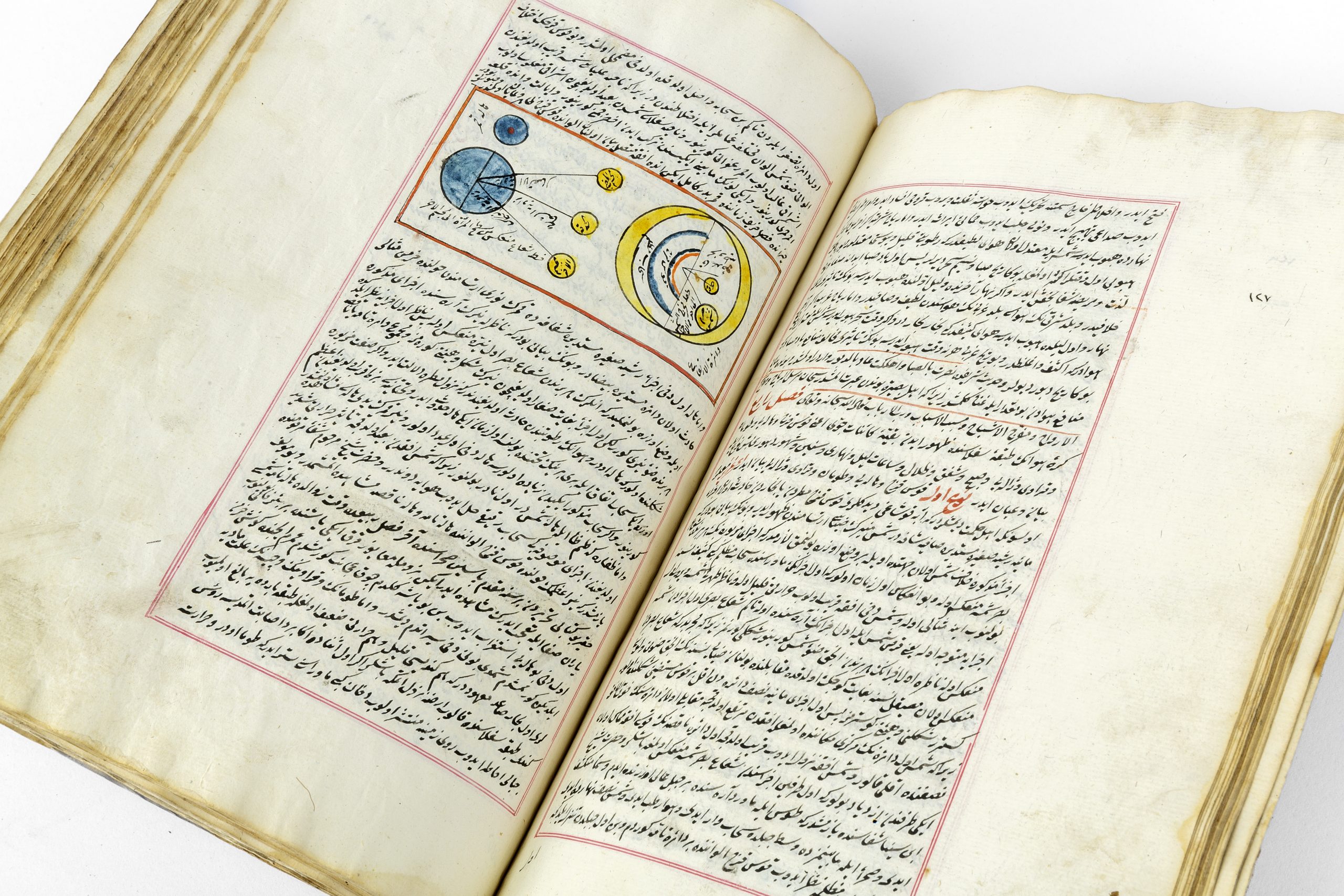
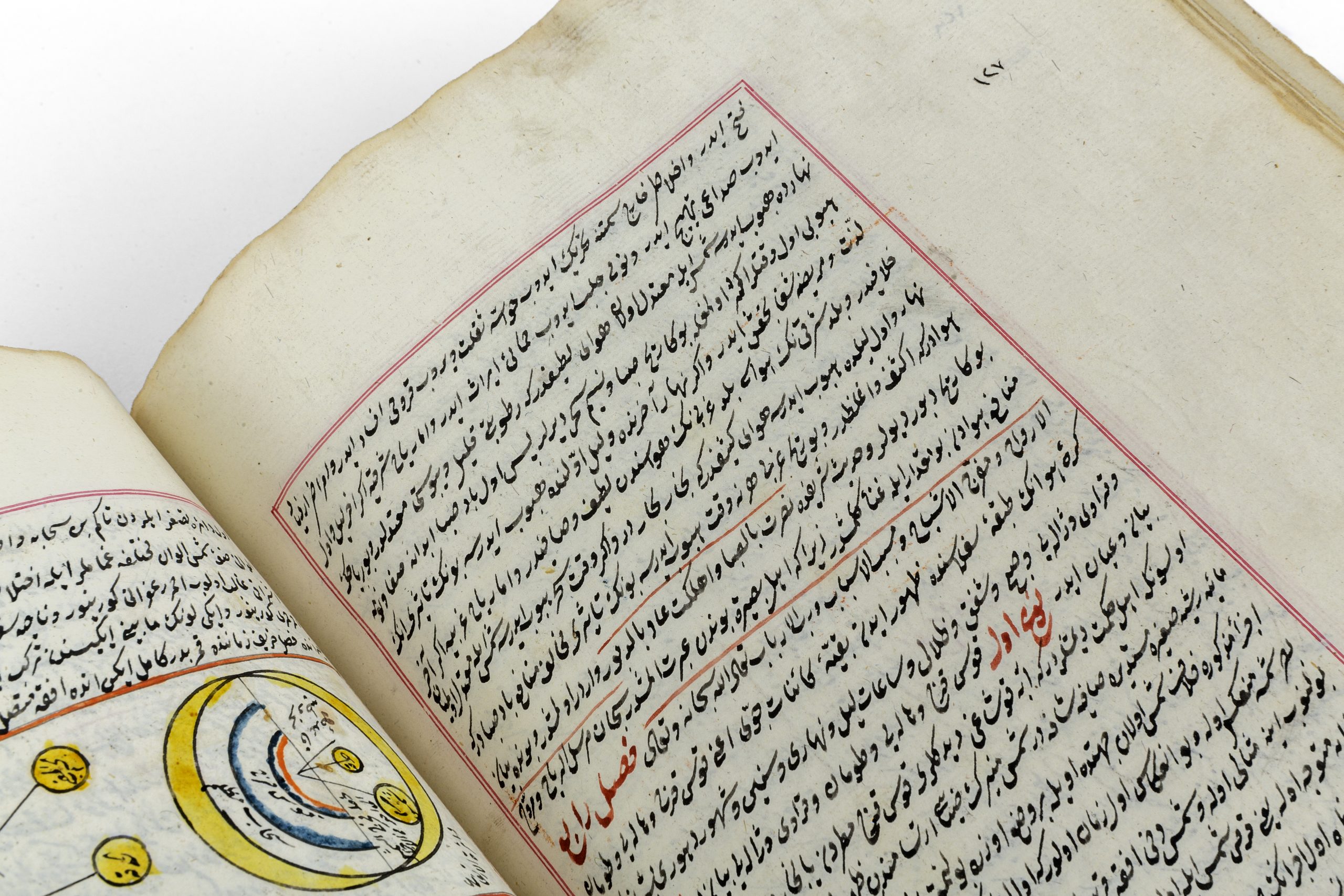
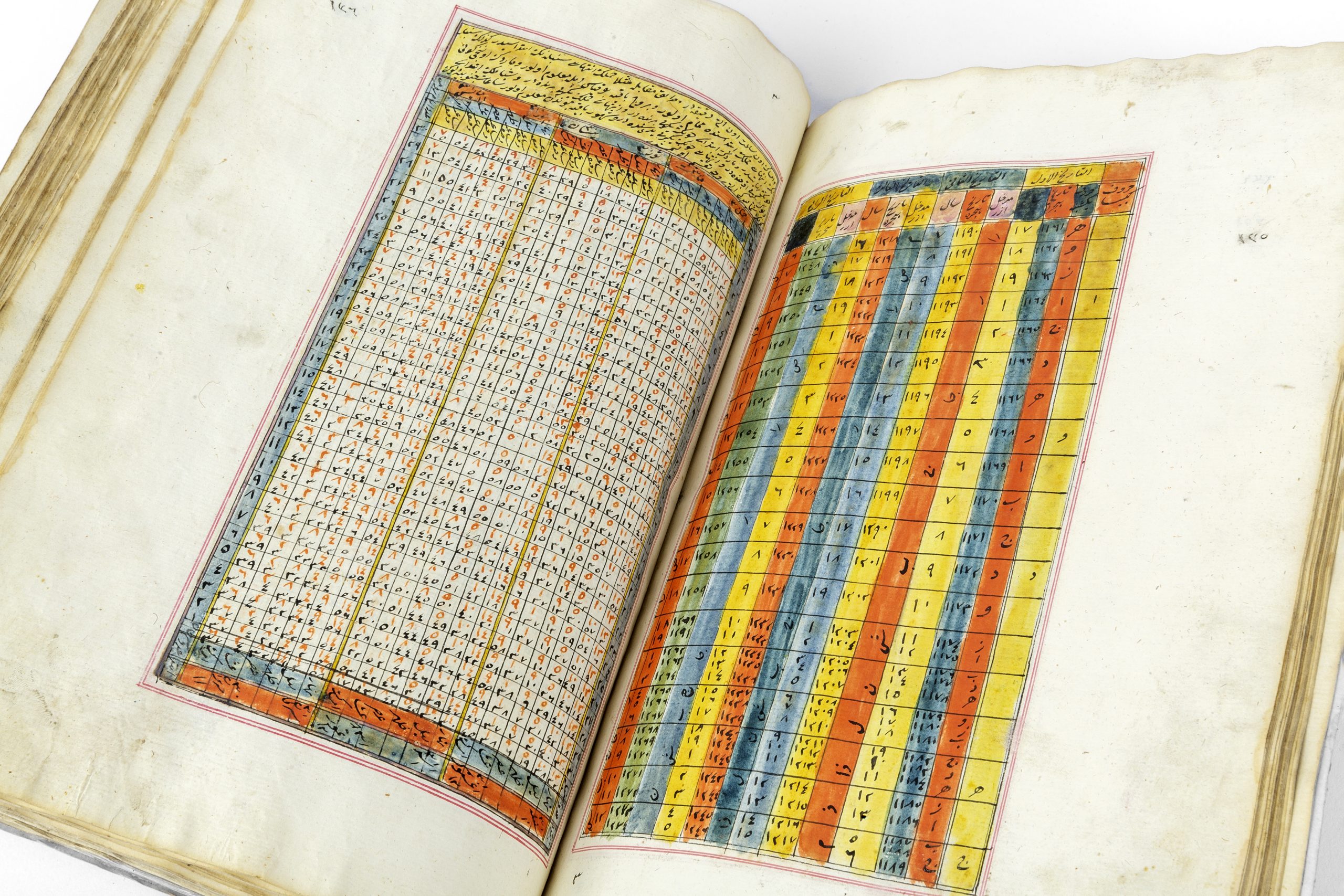
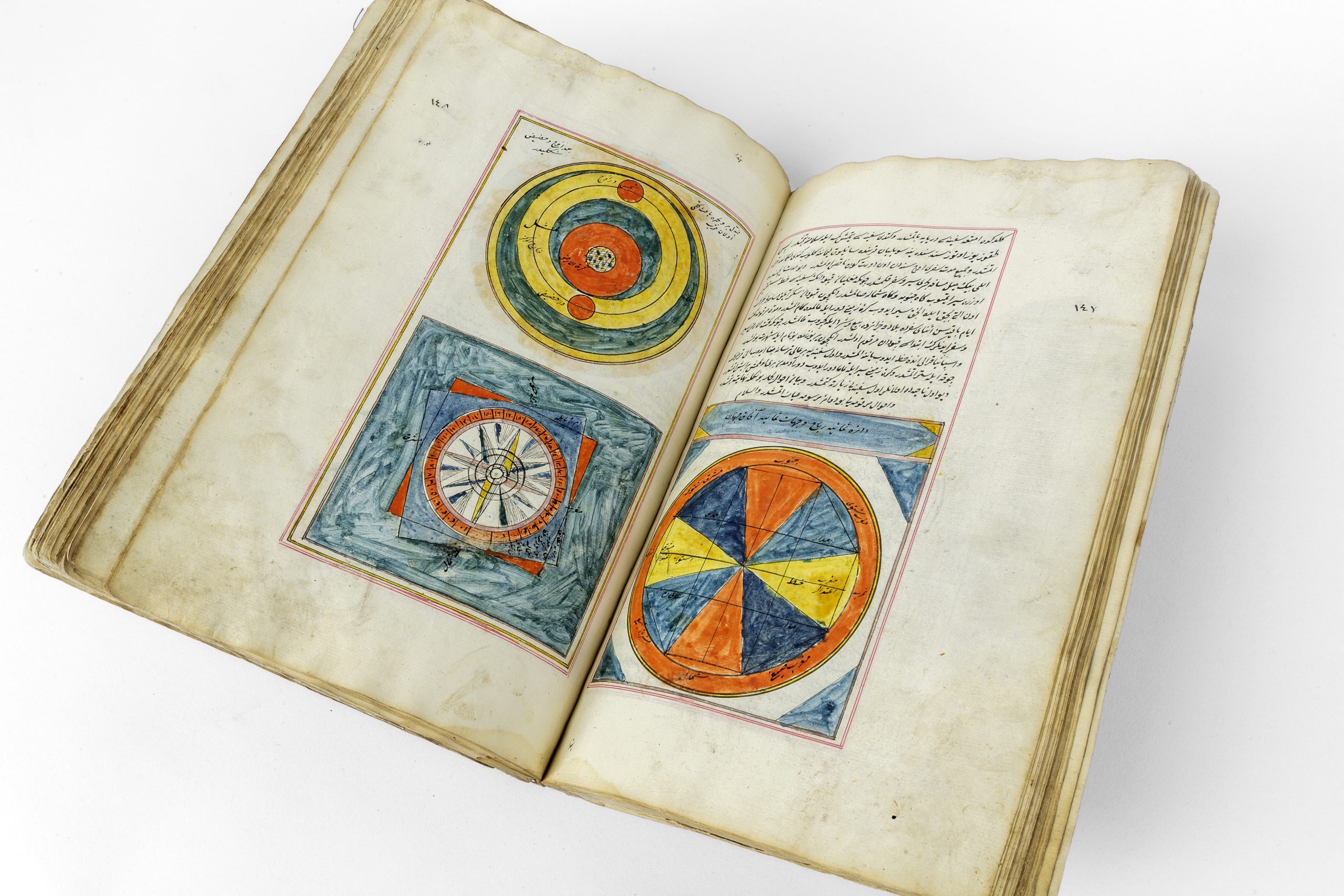
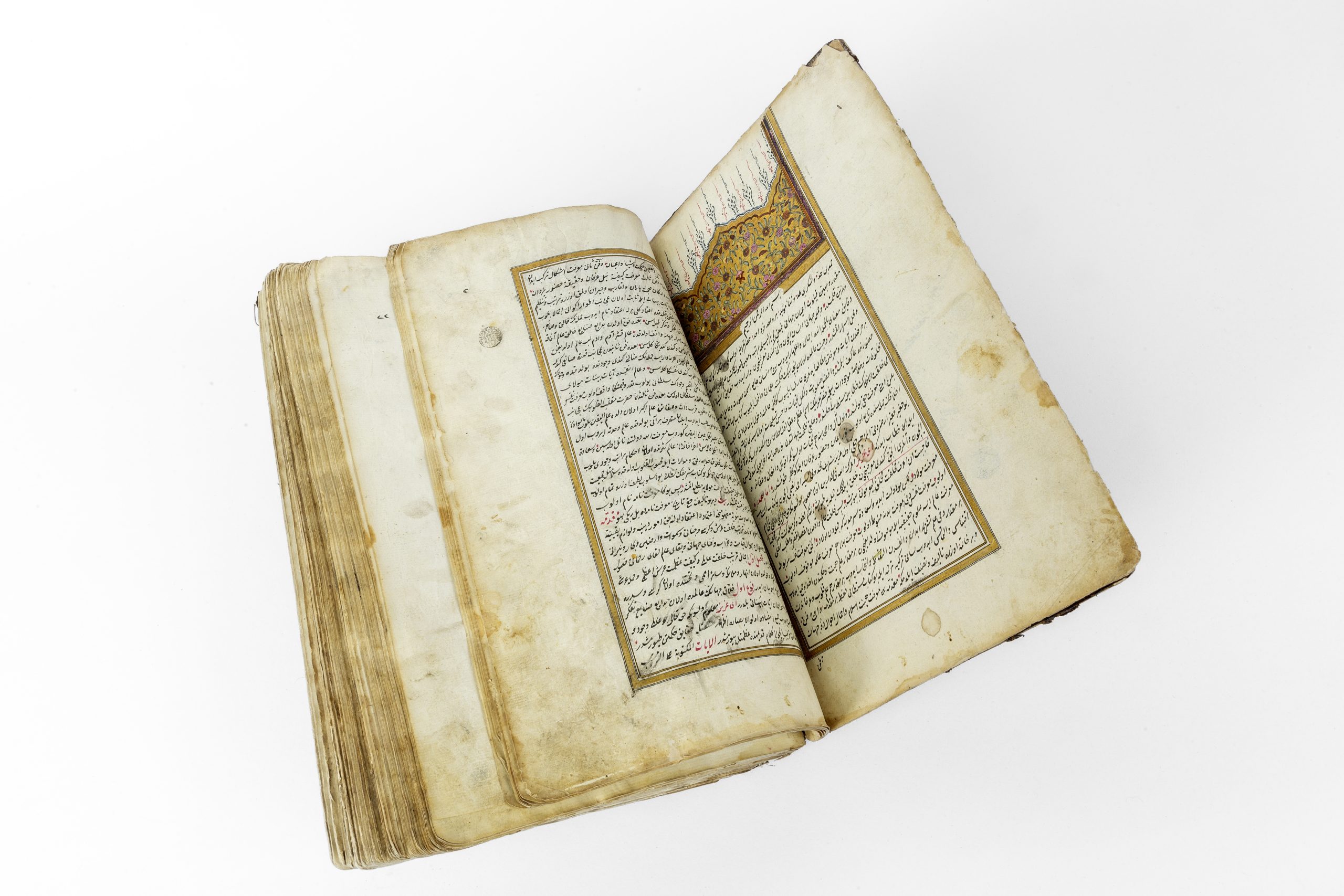
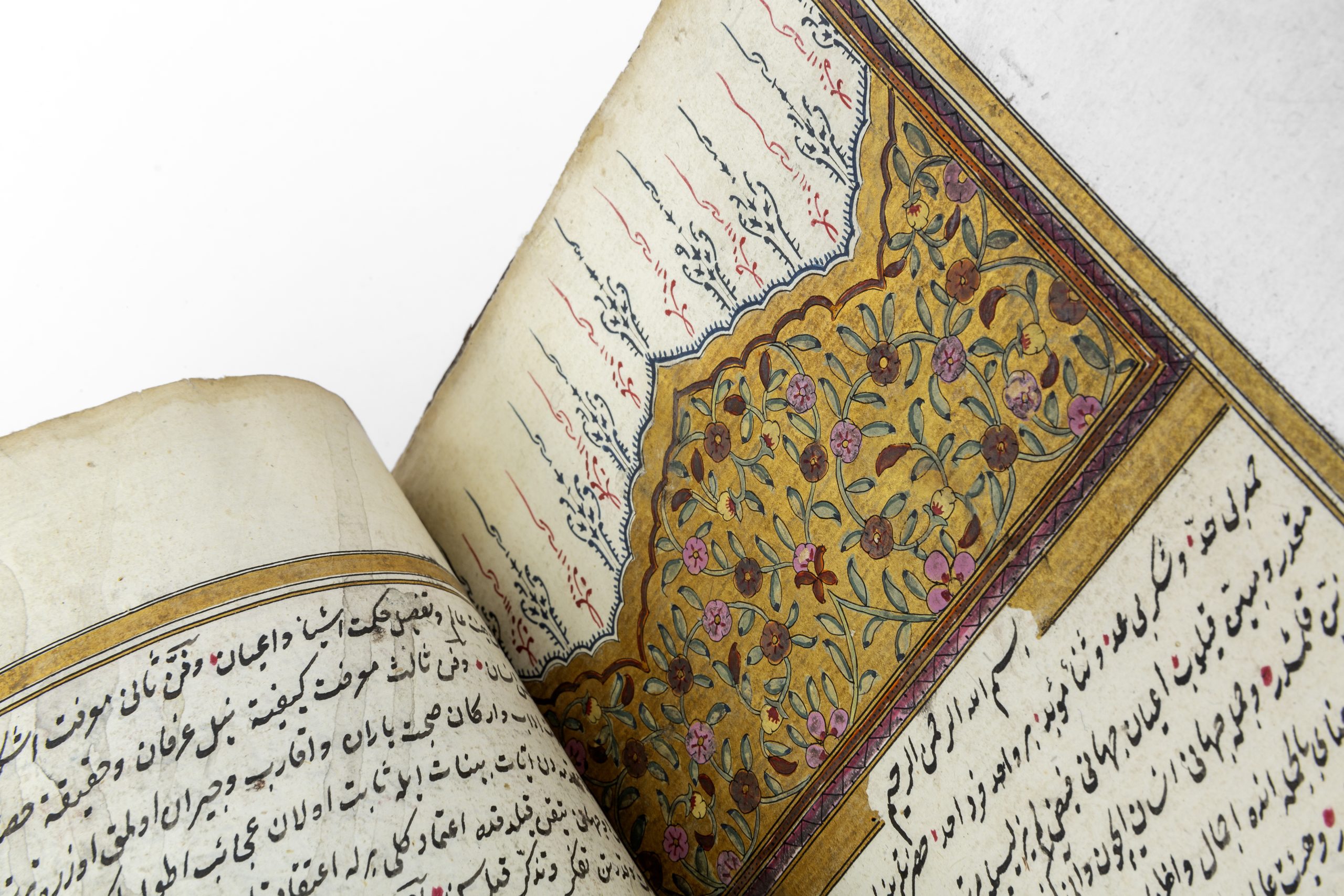
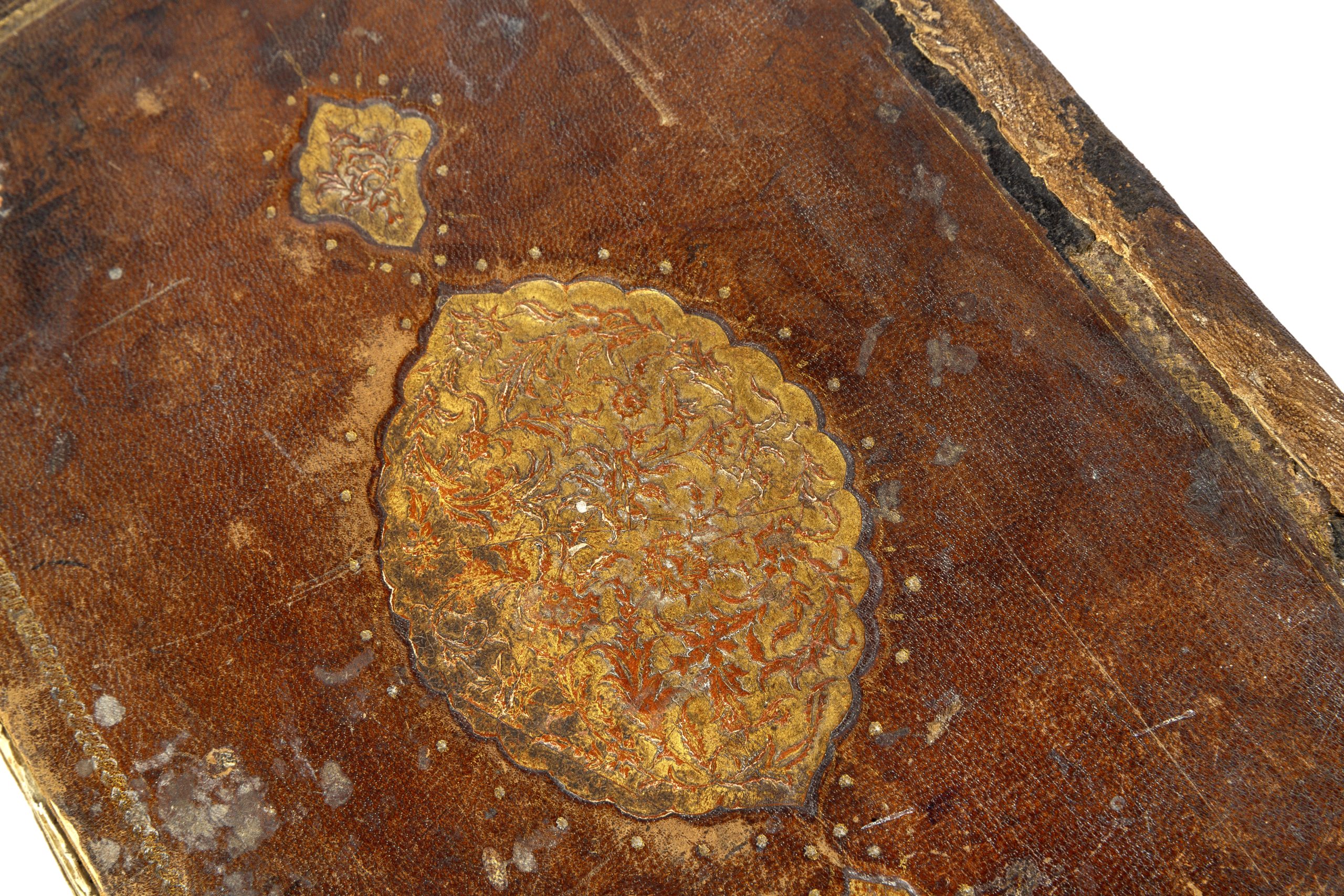
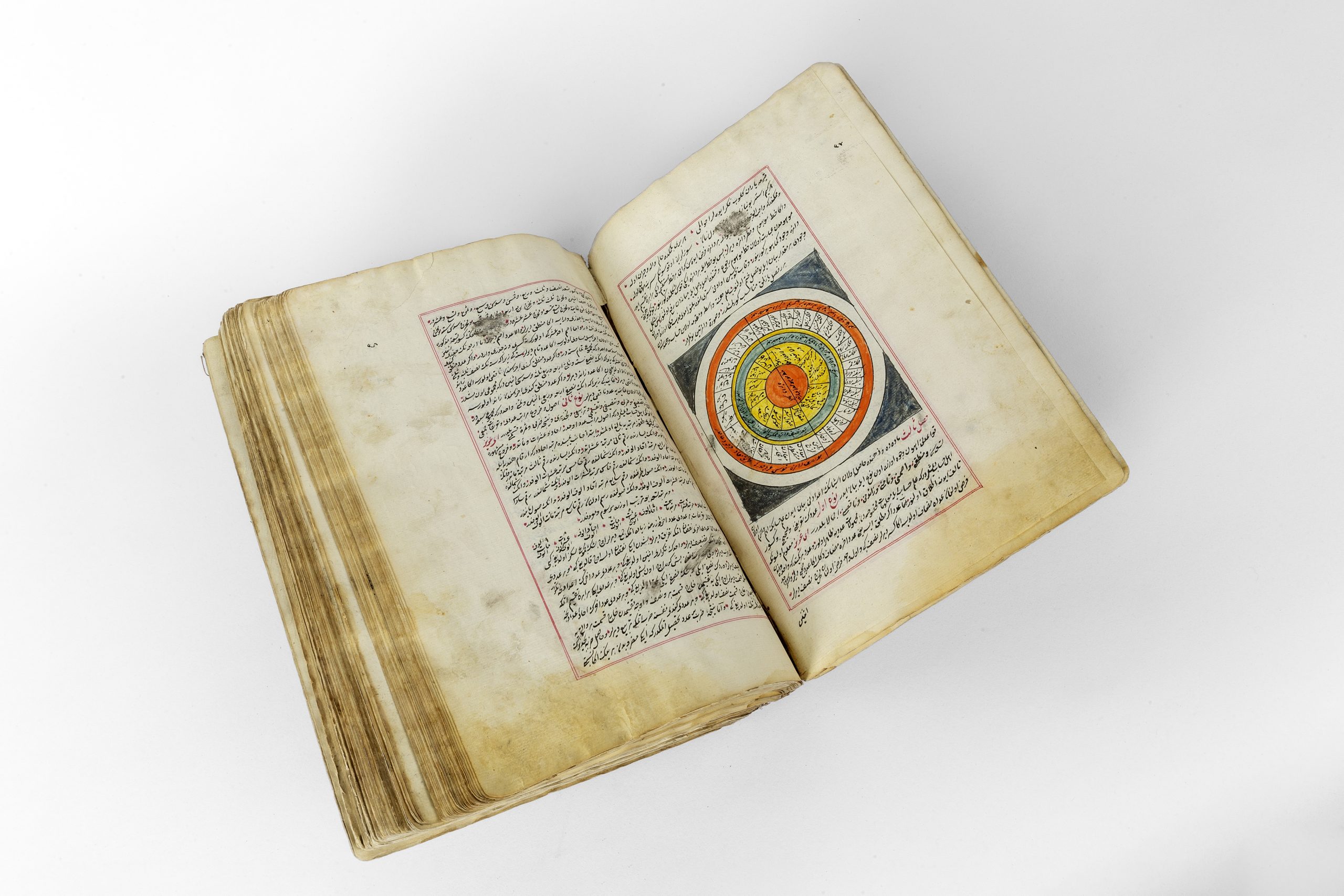
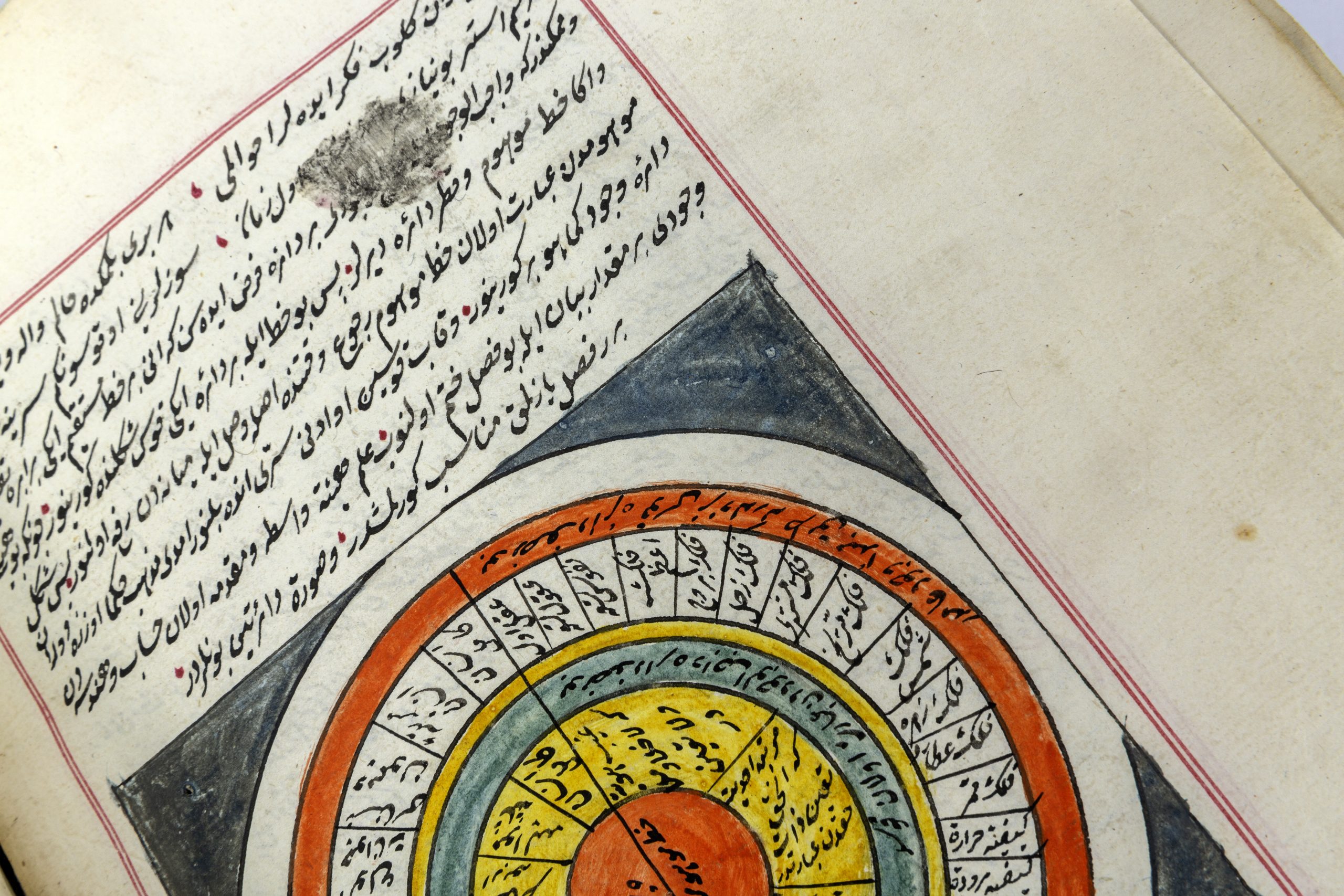
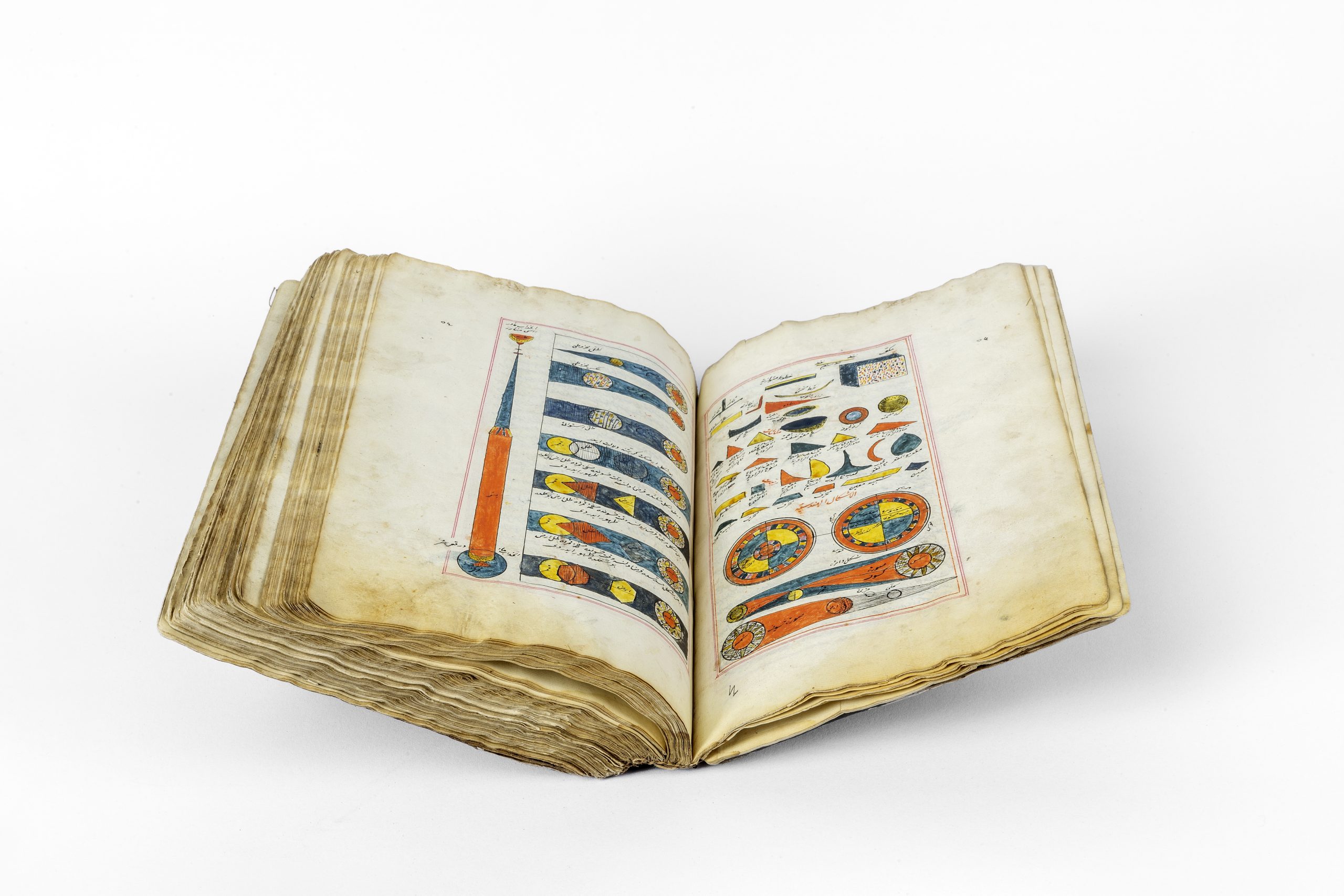
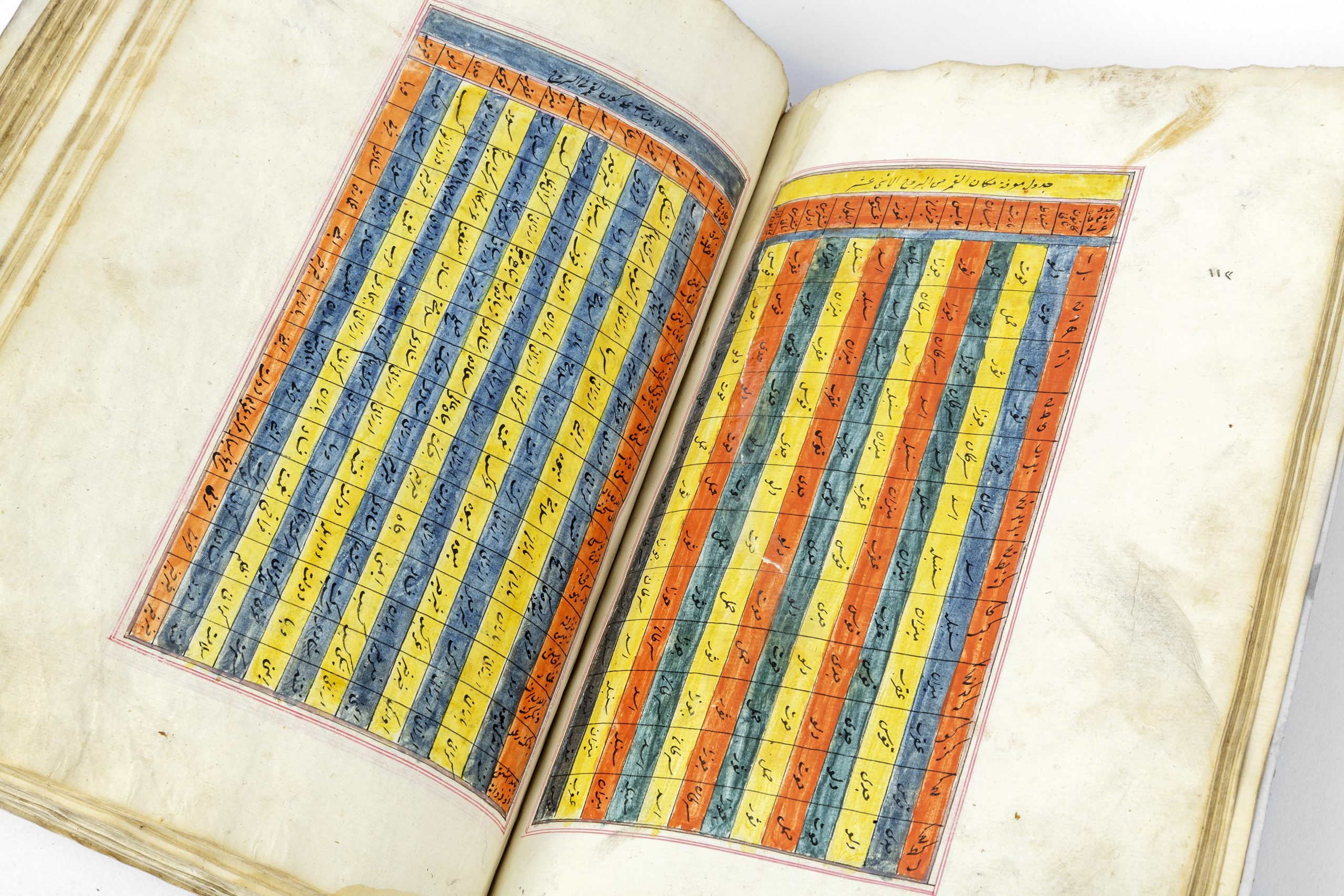
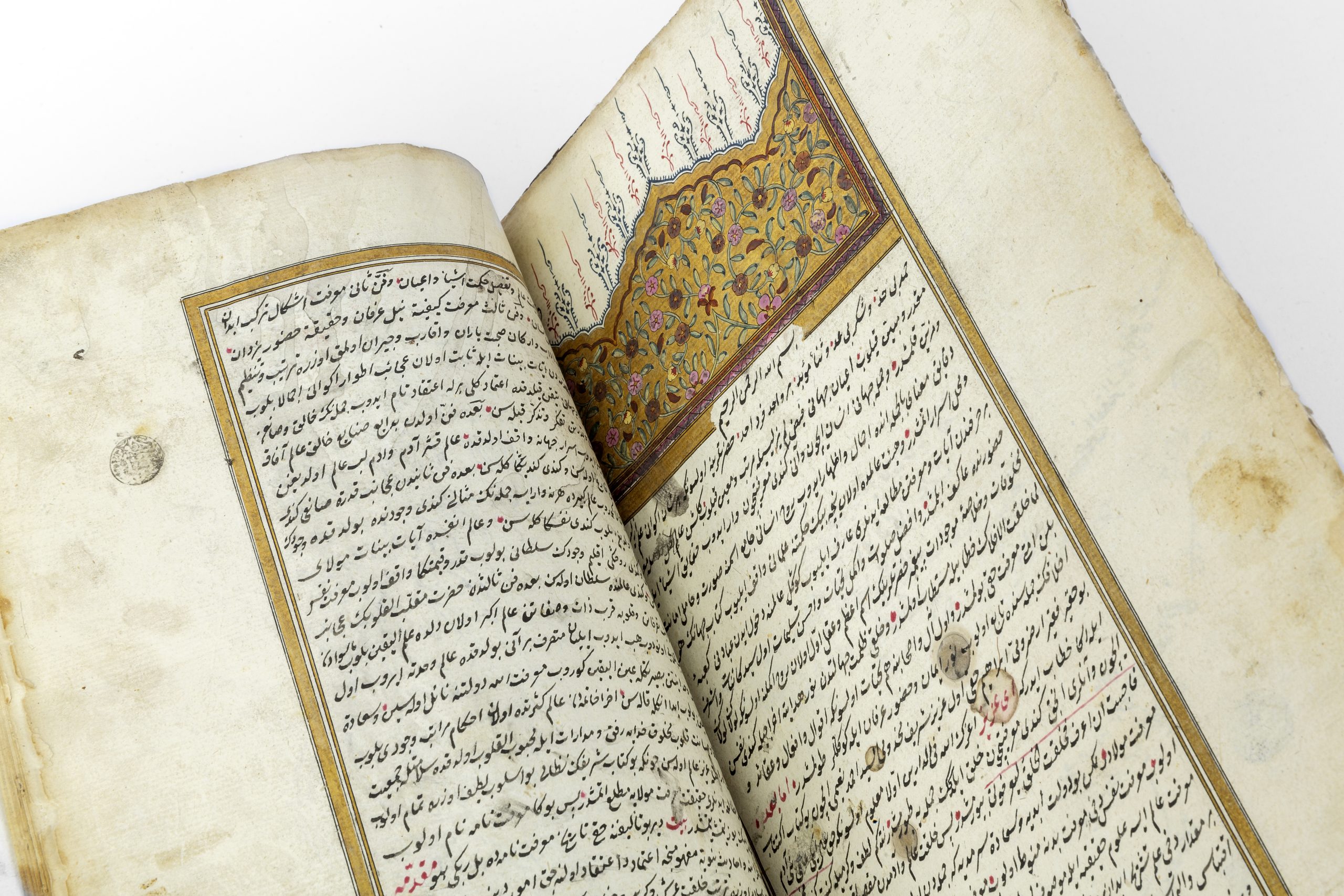
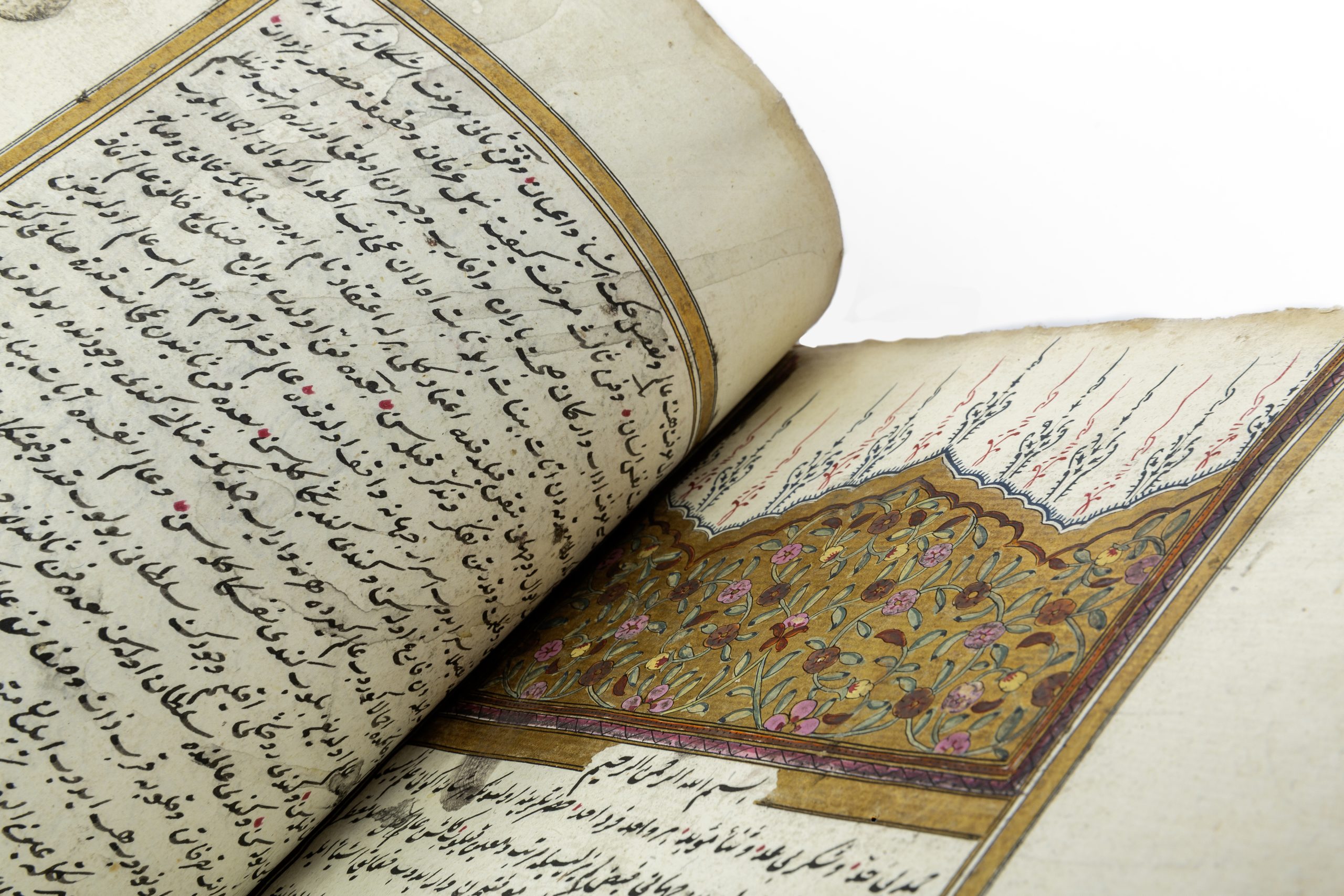
Manuscript in Ottoman Turkish, folio (30 x 20 cm). 722 pages, calligraphy in taʿlīq script, including pages with gold embellishment. Preserved in its original Ottoman binding.
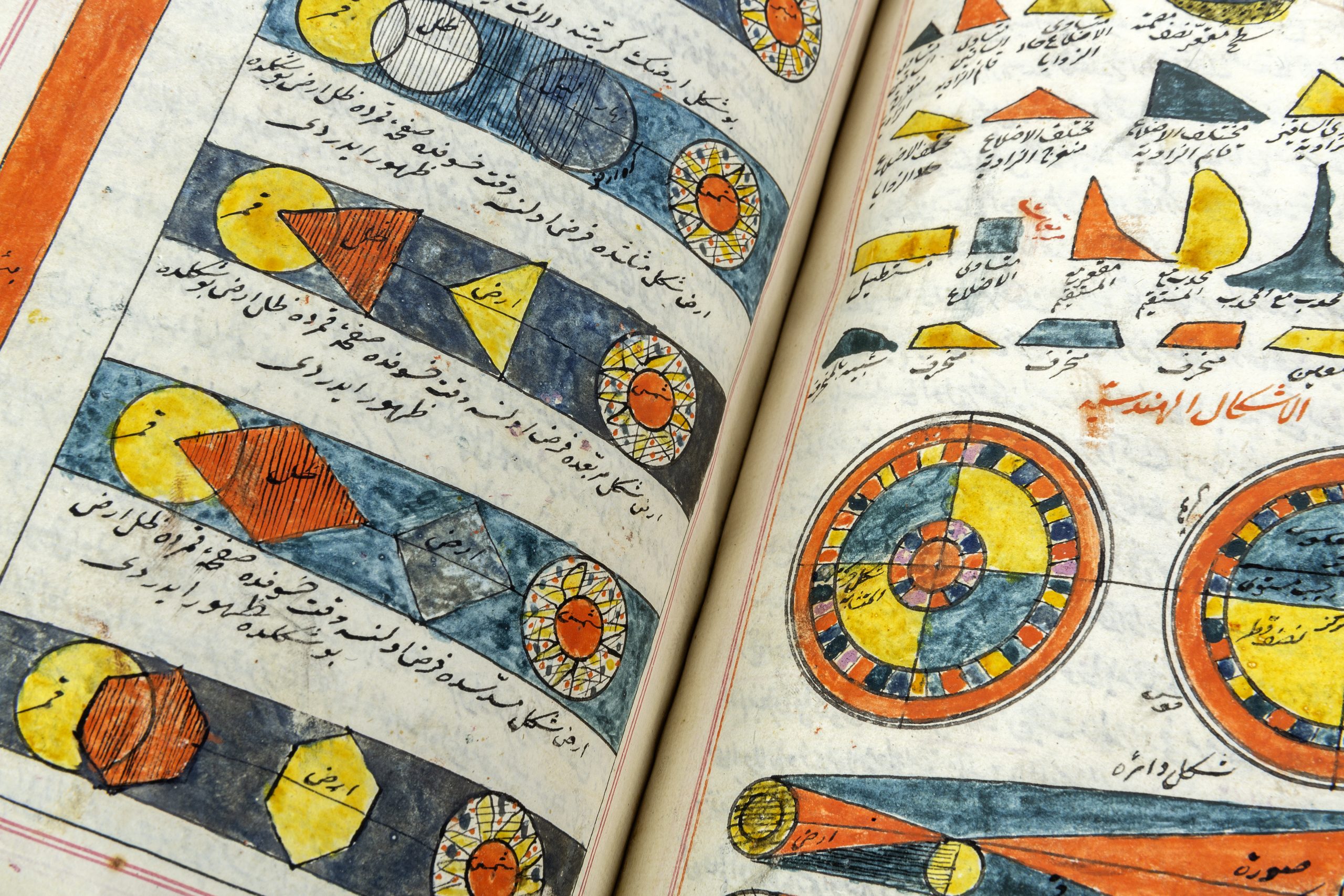
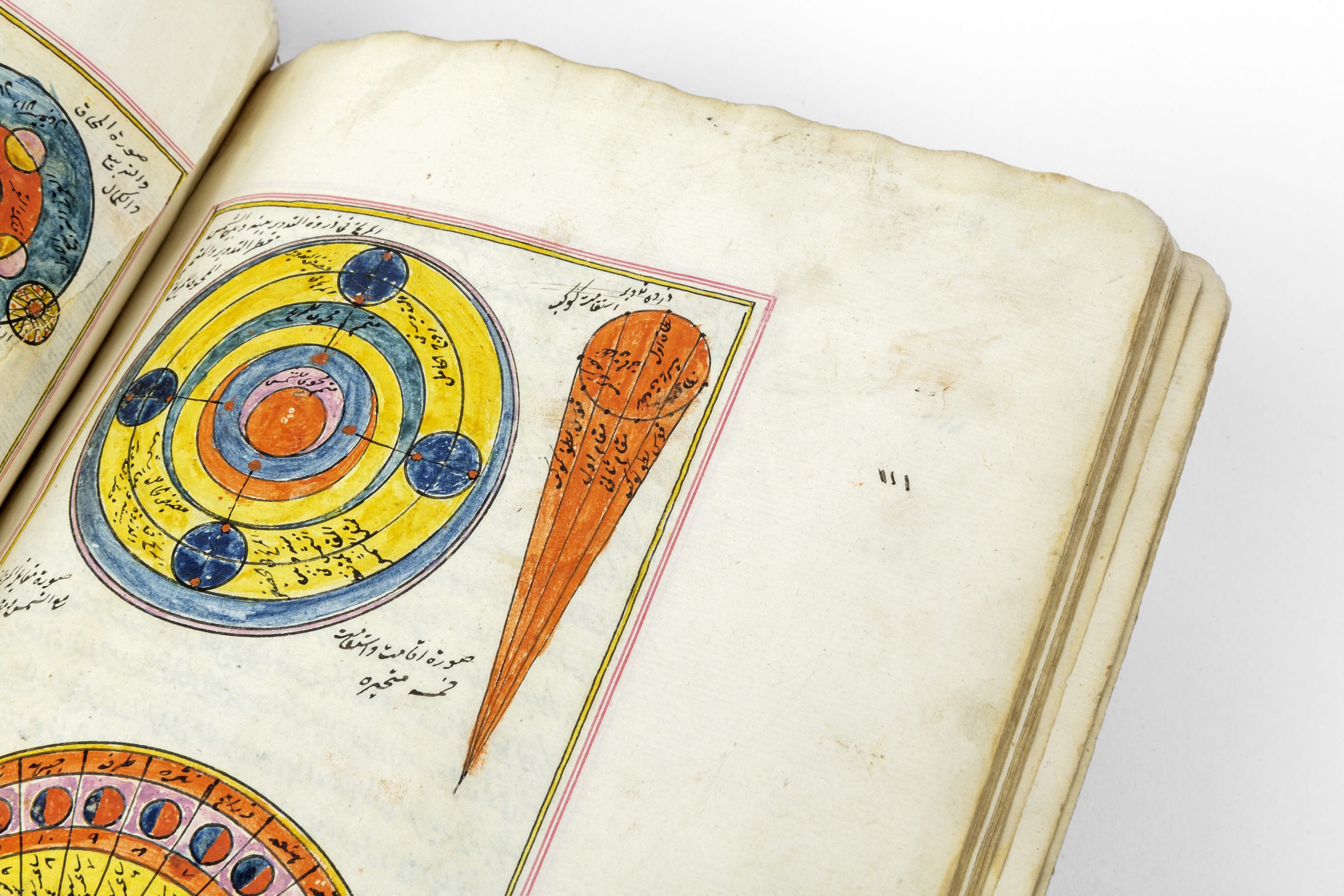
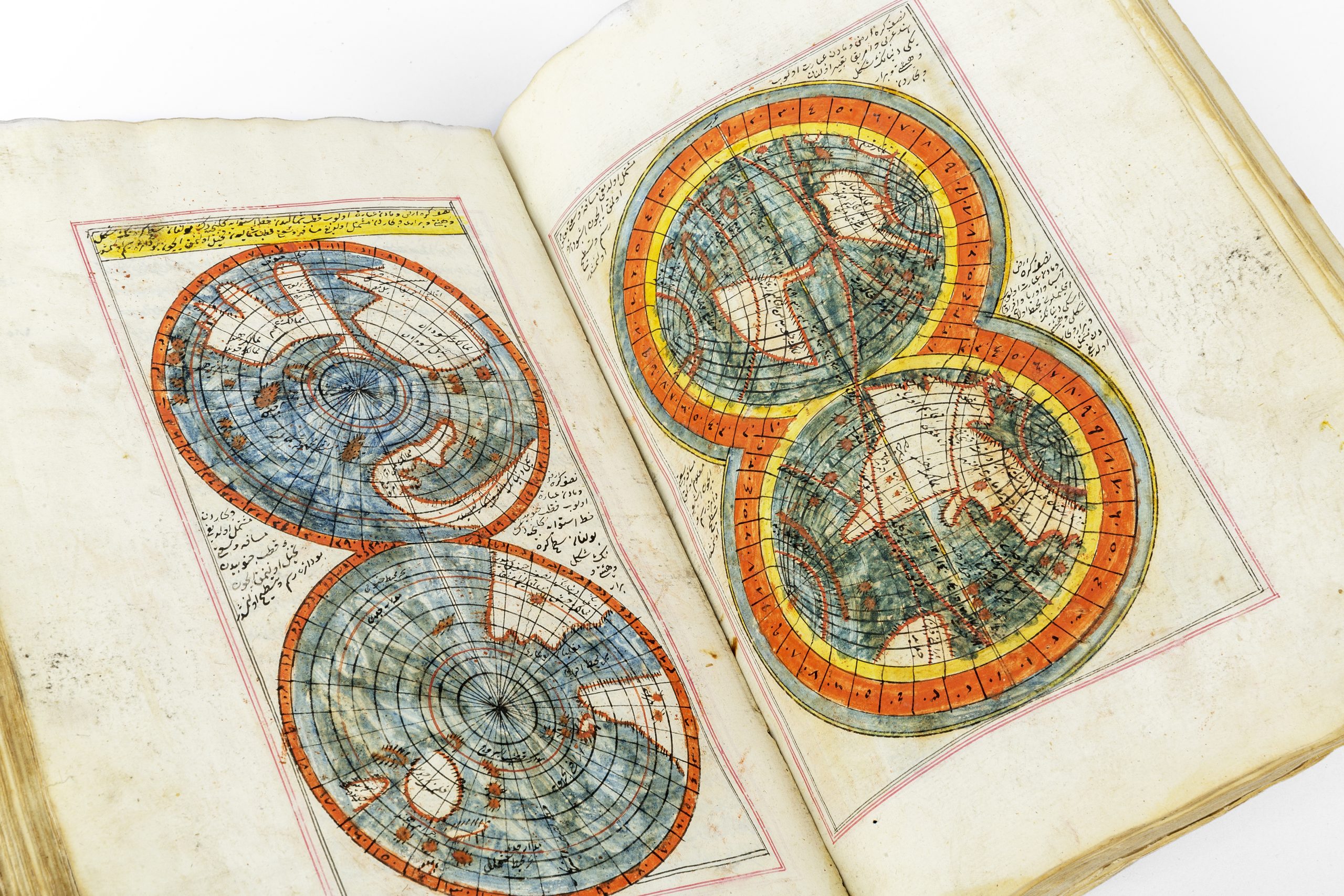
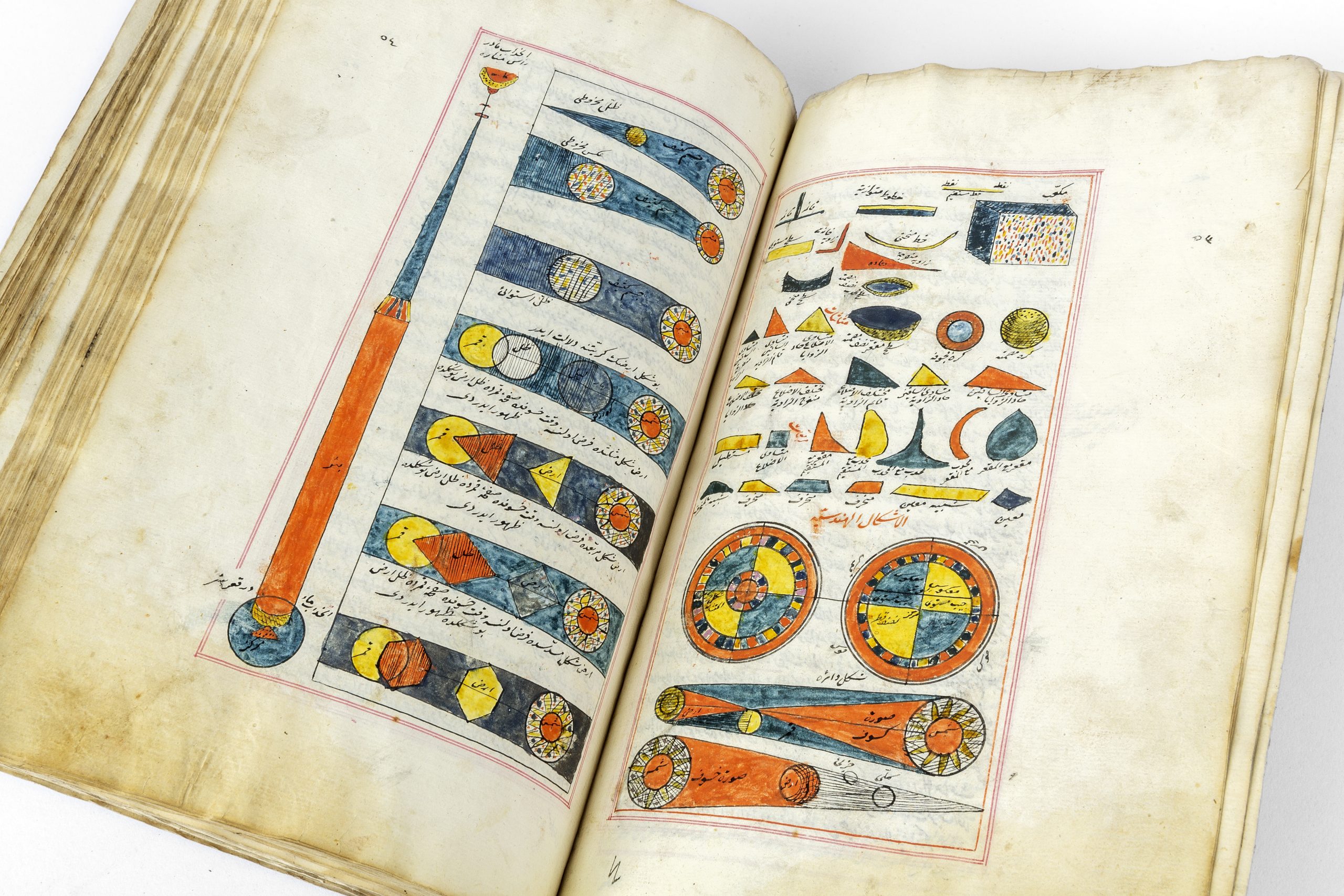
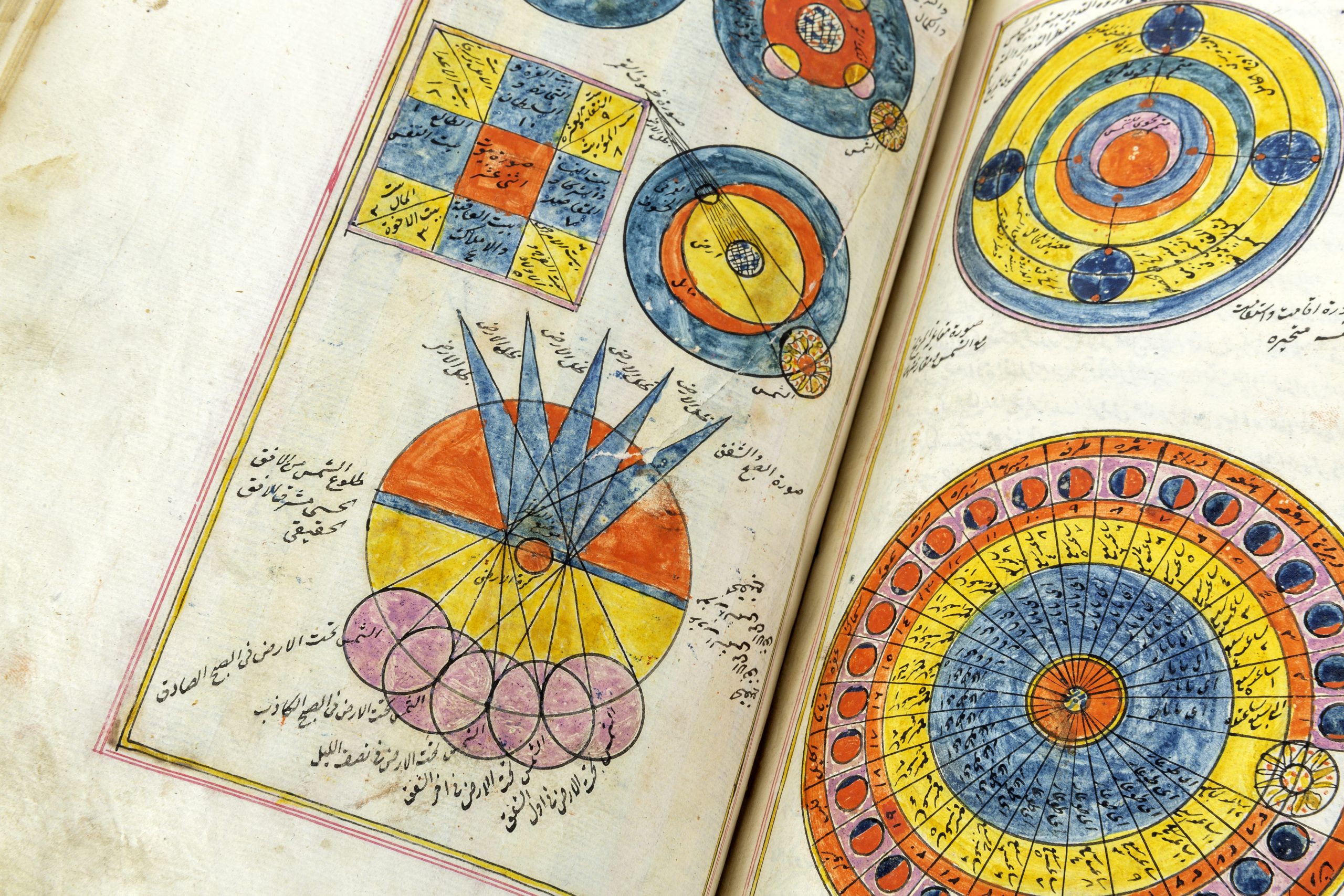
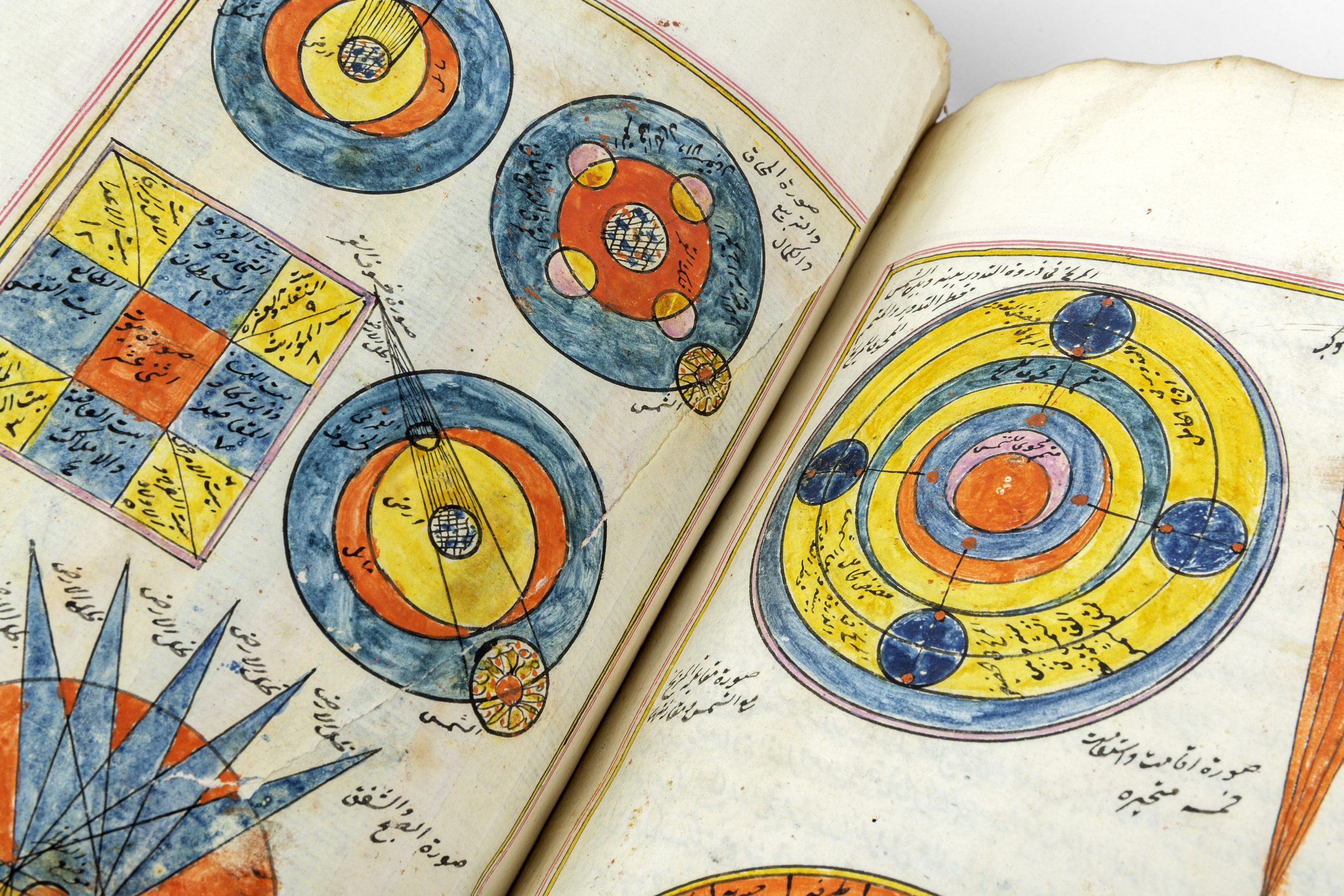
A significant and well-preserved early 19th-century manuscript copy of Ibrahim Haqqi Erzurumi’s celebrated encyclopedic work, Marifetname, an ambitious synthesis of spiritual mysticism and scientific inquiry. This monumental text, compiled in the 18th century, reflects a rare convergence of Islamic metaphysics and post-Copernican cosmology—the earliest such effort by a Muslim scholar. It includes wide-ranging discussions on astronomy, mathematics, medicine, anatomy, psychology, and theology, all framed within a Sufi understanding of divine knowledge.
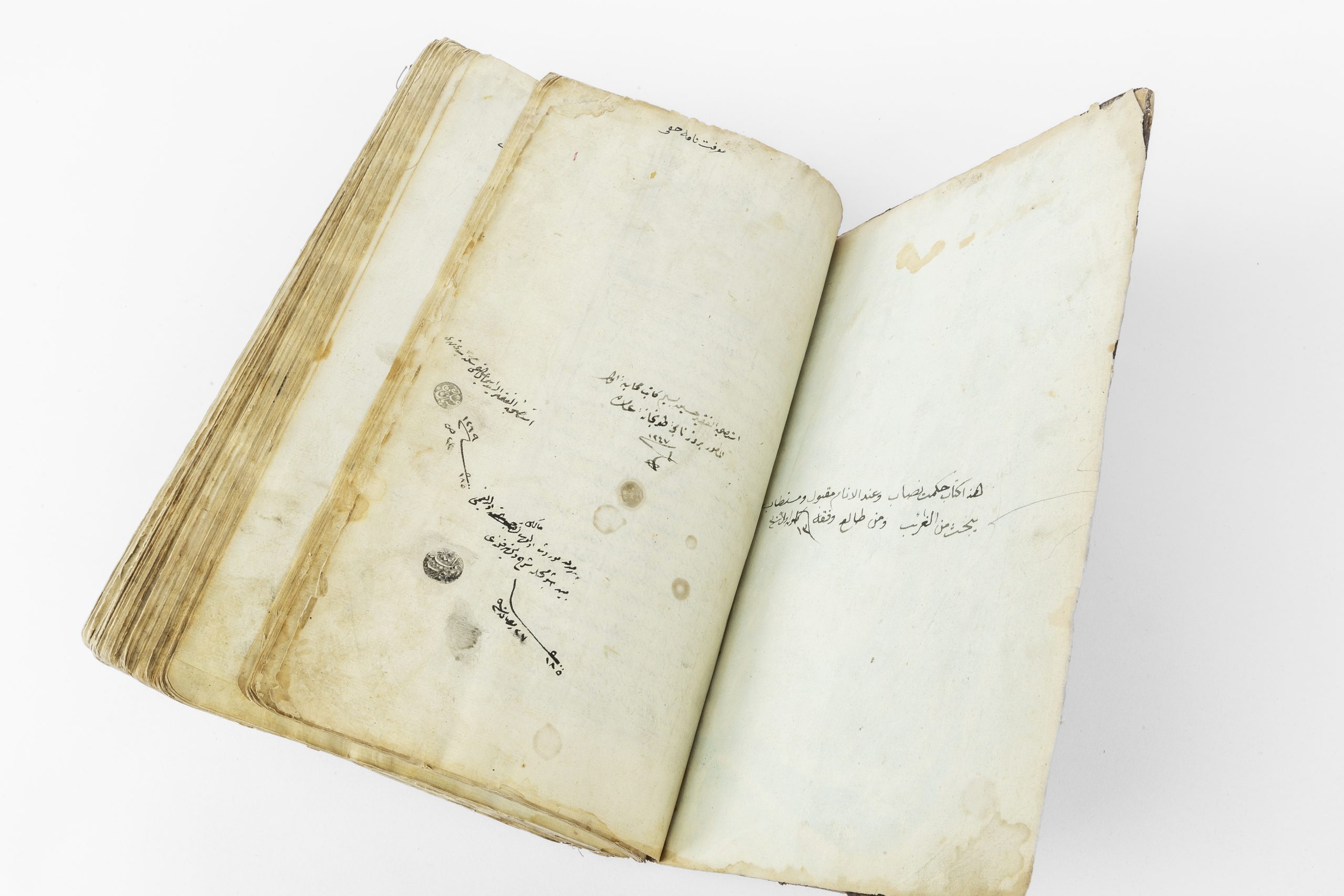
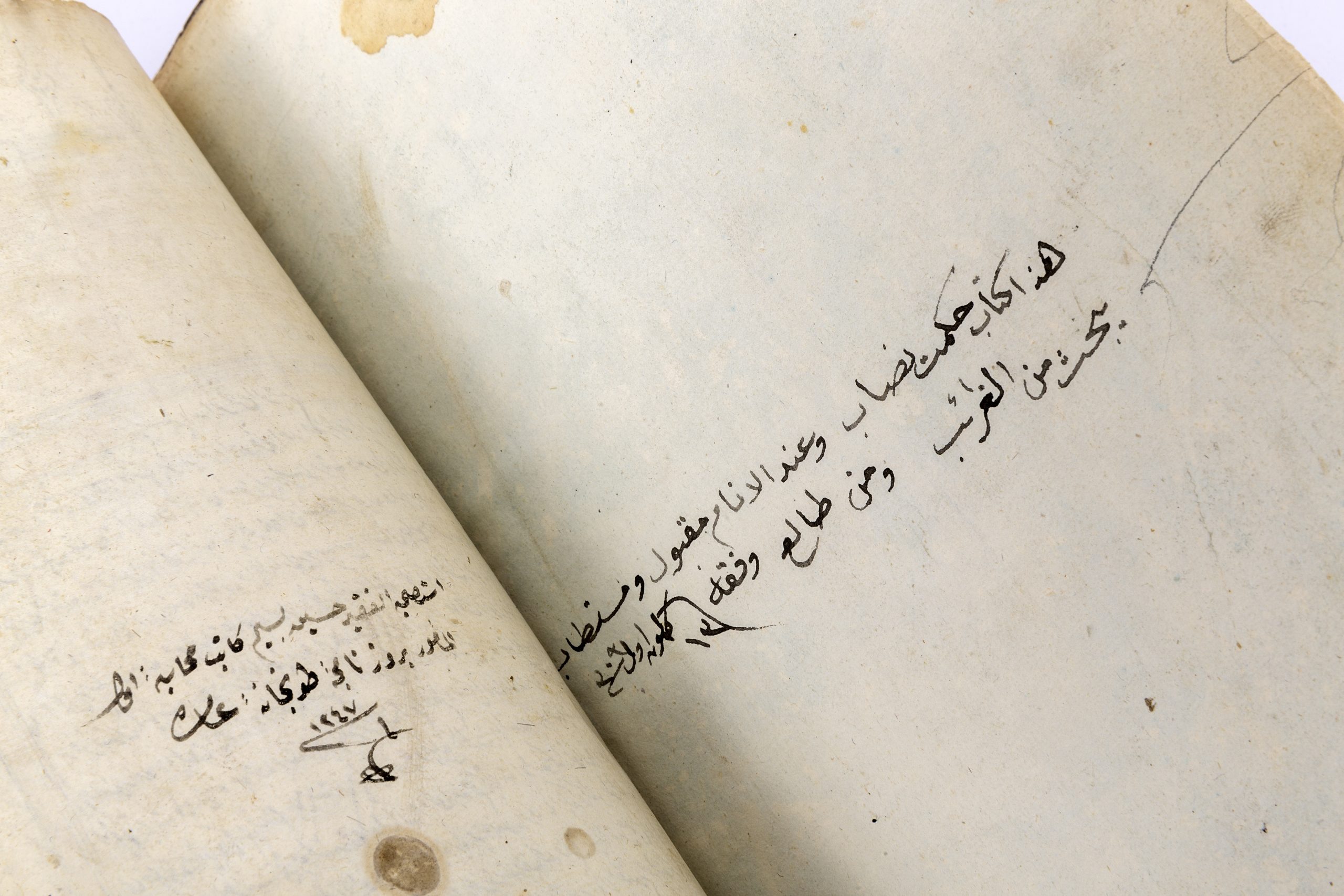
This particular manuscript was commissioned for Şemsi Hiram Kalfa, a senior courtier in the household of Sineperver Valide Sultan, the mother of Sultan Mustafa IV. The copyist, Ahmed ibn Mustafa, completed the work in 1812, and his colophon appears on the final page (722). An early ownership note, written in red ink and accompanied by Şemsi Hiram Kalfa’s personal seal, requests blessings upon the original owner, her royal mistress, and the late Sultan.
The manuscript’s provenance is extensively documented within the volume, revealing a continuous chain of ownership throughout the 19th century: from Şemsi Hiram Kalfa to Hüseyin Nesim, an official of the Tophane-i Amire in 1831; later to Abdullah Eşref in 1852; and by the end of the century, to İsmail Hakkı Efendi of Seydişehir, who would become its local mufti. A marginal note in 1895 records a legal dispute between residents of Seydişehir, suggesting the manuscript remained in active use or reference in the region well into the late Ottoman period.
Although Marifetname would not appear in print until the 1835 Bulaq edition, this manuscript represents an earlier, prestigious version intended for elite circles. Its intellectual content and documented custodial history make it an exceptional survival from the Ottoman scholarly tradition.